Understanding how pet insurance works is essential for any Florida pet owner looking to protect their dog or cat from unexpected medical bills. While each company has its own rules, most plans follow a similar process: you pay your veterinarian upfront, then file a claim for reimbursement. This guide explains how the system works, what to expect, and how to avoid common claim mistakes.
How Pet insurance reimbursement works
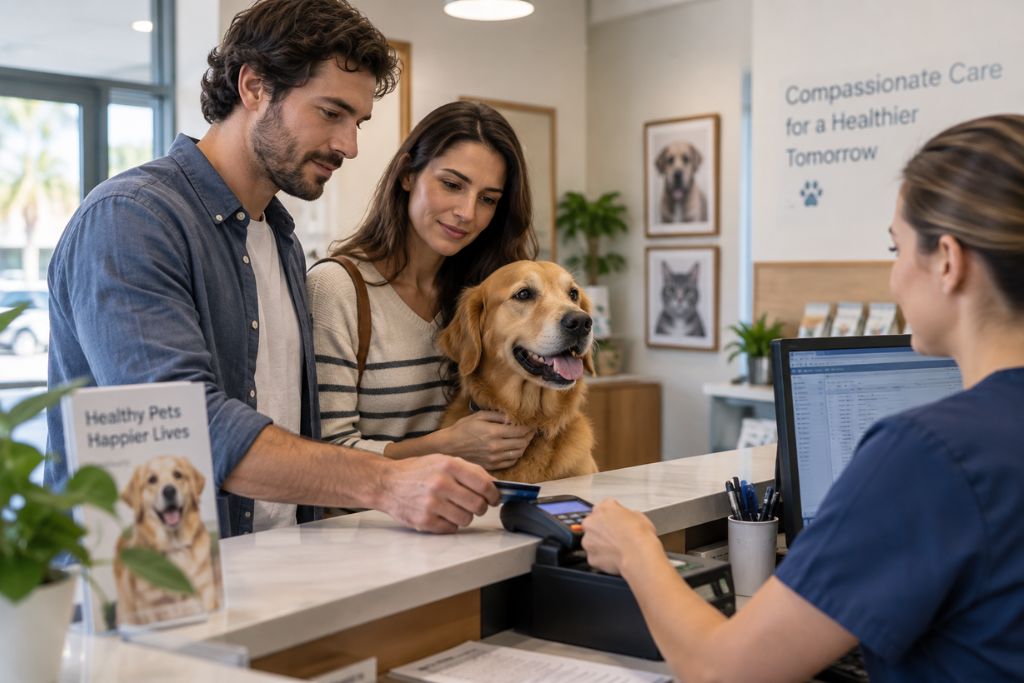
Most pet insurance Florida policies do not require networks. You can visit any licensed veterinarian, pay the bill, and then submit a claim for reimbursement. The insurer reviews your paperwork and calculates your payout based on your policy’s coverage terms.
This gives you flexibility, but it also means you need to understand your deductible, copay, and limits to avoid surprise denials.
Understanding waiting periods
One of the most overlooked parts of how pet insurance works is the waiting period. Coverage does not start immediately.
If your pet becomes sick or injured during this time, the insurer will not cover the claim.
Waiting periods vary by insurer and by type of condition—accidents, illnesses, and orthopedic issues often have different timelines. Knowing these periods in advance can prevent frustration when your pet needs care.
Deductibles, copays and coverage limits
To fully understand how pet insurance works, you need to know what costs you may still be responsible for:
Deductible: What you must pay before insurance starts reimbursing you.
Copay: Your share of the cost after the deductible is met.
Annual or Per-Condition Limits: Some policies cap the total amount they will pay per year; others set limits for specific conditions.
Choosing the right plan depends on your budget and your pet’s health needs.
Common claim filing mistakes
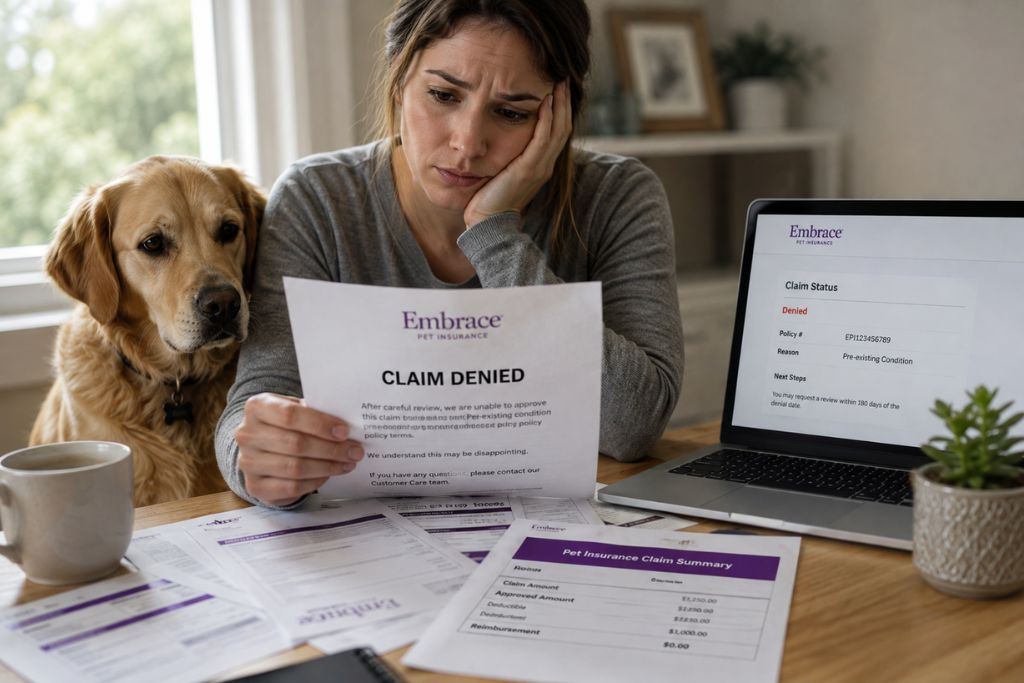
Many denied or delayed claims come down to avoidable errors. The most common include:
- Submitting incomplete paperwork.
- Forgetting itemized veterinary bills.
- Missing diagnosis notes or medical records.
- Filing after the deadline stated in your policy.
Providing complete documentation from the start helps your claim get processed faster.
Can you appeal a denied claim without an attorney?
Yes. You can begin with an internal appeal through your insurer. But if the company continues to deny or underpay a valid claim, a Florida insurance lawyer with experience in pet insurance disputes can help you understand your rights and challenge the decision effectively.
Bottom line
Knowing how pet insurance works: waiting periods, deductibles, copays, and the claims process, helps you make informed decisions and protect your pet with confidence. With the right policy and documentation, you can avoid unnecessary surprises when your pet needs care.
Denied or Underpaid claim? Get help today.
If your insurer refuses to reimburse you fairly, a lawyer experienced in pet insurance Florida cases can review the denial, explain your options, and help you fight back. Contact us today for a free evaluation.