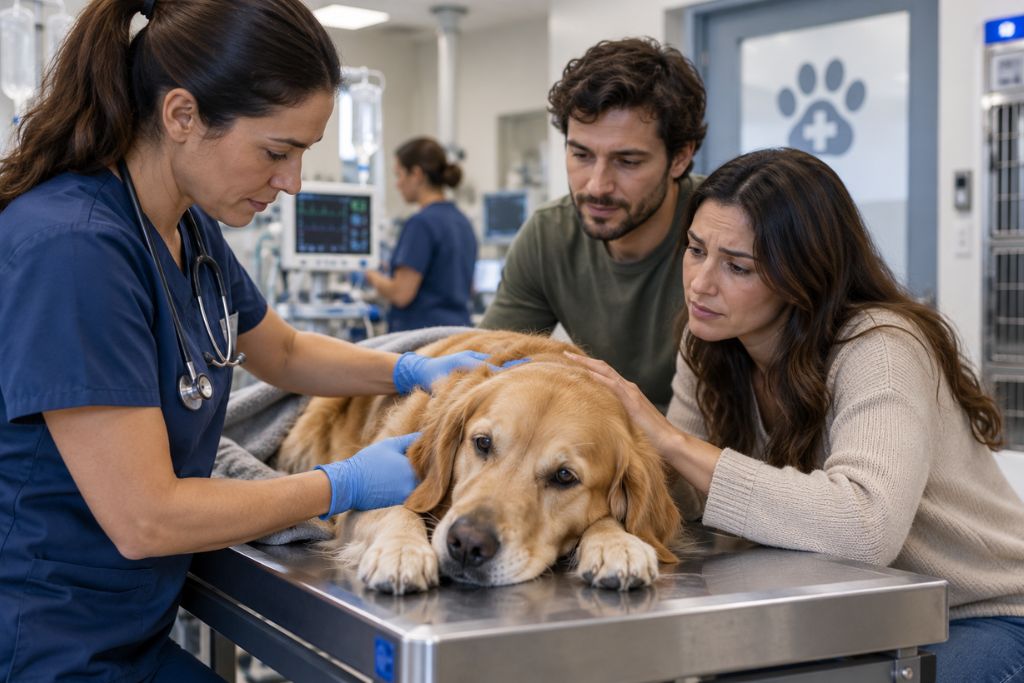
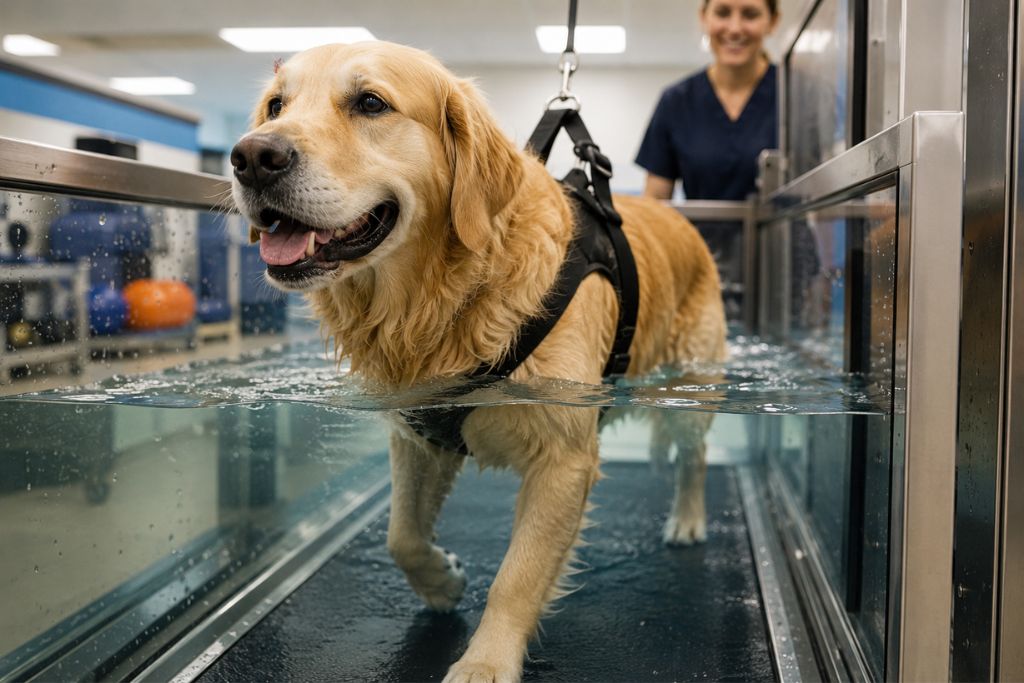
This day brings a useful question you may not ask often: what does responsible pet care look like?
Many owners do a lot right and still get blindsided by health changes or urgent decisions made in the middle of stress. This article expands the idea of care beyond the visible gestures, so you can protect your pet’s health and wellbeing with fewer surprises.
Keep reading to expand on all the daily love for your pet.
Caring For A Pet Goes Beyond Daily Routines
Pet care goes beyond basics because routines do not catch everything.
Some problems develop quietly, some appear suddenly, and some show up as subtle changes that are easy to dismiss when your days are busy. You can do “all the right daily things” and still face a situation where your pet needs a change in long-term management.
Pet ownership then becomes less about affection and more about planning:
- Keep meals consistent, but also track patterns; a steady appetite today does not guarantee a stable health picture next month.
- Move your pet every day in a way that fits their age and condition; activity is a habit, not a one-time fix for health.
- Make your home safer than it feels by checking what your pet can reach, chew, swallow, or knock over during routine moments.
- Treat affection as feedback, not only comfort; when your pet suddenly seeks isolation or becomes unusually clingy, that shift can matter.

The next layer is recognizing that responsible pet care also involves preparation for what routines cannot prevent.
Health, Prevention, and Being Prepared
Veterinary organizations emphasize routine exams and preventive healthcare as a practical standard for companion animals, because early detection changes outcomes and reduces the chance that problems escalate before you act.
In simple terms, prevention turns “I hope it’s nothing” into “I know what it is”.
That’s why preparedness is part of protecting your pet’s health:
- Schedule wellness visits even when everything seems fine; those appointments often catch small issues before they become expensive problems.
- Put the medical history somewhere you can actually reach, not “somewhere in your email”; records help clinics move faster when time matters.
- A simple habit that works: write down changes you notice for a week, then share them at the visit, because memory gets fuzzy when you’re stressed.
- Prepare an emergency kit for your pet with essentials and ask your veterinarian what to include, because needs vary by situation and pet.
This is the part of pet health and wellbeing that feels boring until the day it saves you time, money, and emotional energy.
Making Informed Decisions is Part of Responsible Pet Care
When you understand what a program includes, what it excludes, and how decisions are made under pressure, you avoid feeling like you did your part and still get surprised.
This is a core piece of responsible pet care:
- Read the key sections first; definitions, limits, and conditions usually matter more than marketing language.
- Ask one direct question in plain words: “What would make this not apply to my pet?”; you want the exceptions stated clearly.
- Keep a copy of what you signed or accepted; if you need to revisit the decision later, you should not rely on a recollection made under stress.
- When something feels urgent, slow down for sixty seconds and confirm the basics; the goal is clarity, not perfection.
Fast decisions are sometimes necessary, yet they are easier to live with when you understand what you’re agreeing to.

When Love is Tested: Facing Unexpected Situations
The difference between being informed and being unprepared it’s about having fewer unknowns in front of you. If you already know your pet’s baseline health, have records organized, and understand the realistic costs and steps involved in urgent care, you move through the situation with better footing.
This is where responsible pet ownership becomes visible:
- You recognize “off” faster, because you know your pet’s normal behavior and can spot unusual patterns early.
- You can answer the clinic’s questions without guessing; that reduces delays and helps the medical team focus on care.
- You ask better questions; not more questions, better ones, because you’re trying to understand outcomes and trade-offs.
- In the aftermath, you document what happened while it’s fresh; that record supports continuity of care later.
This is a subtle form of advocacy; you are not turning the moment into a fight, you are making sure your pet’s needs stay centered when the situation is complex.
Loving Your Pet Means Practicing Responsible Pet Care
Think of this as a practical roadmap, one that connects affection with preparation:
1. Keep your pet’s health information organized and updated: start with the basics that are easy to postpone; gather vaccination records, diagnostic results, prescriptions, and notes from past visits, and keep them in one accessible place.
2. Treat preventive care as a non-negotiable routine: schedule regular wellness visits and recommended screenings even when your pet seems fine, because prevention is often the only way to catch issues early.
3. Learn the early warning signs that should never be ignored: changes in appetite, energy, breathing, mobility, or behavior may look minor at first, yet they can signal developing problems.
If you ever need guidance connected to owner protection and support, you can learn more from pet attorneys in Florida, and explore broader legal options in Florida as part of understanding the full picture of responsible pet care.