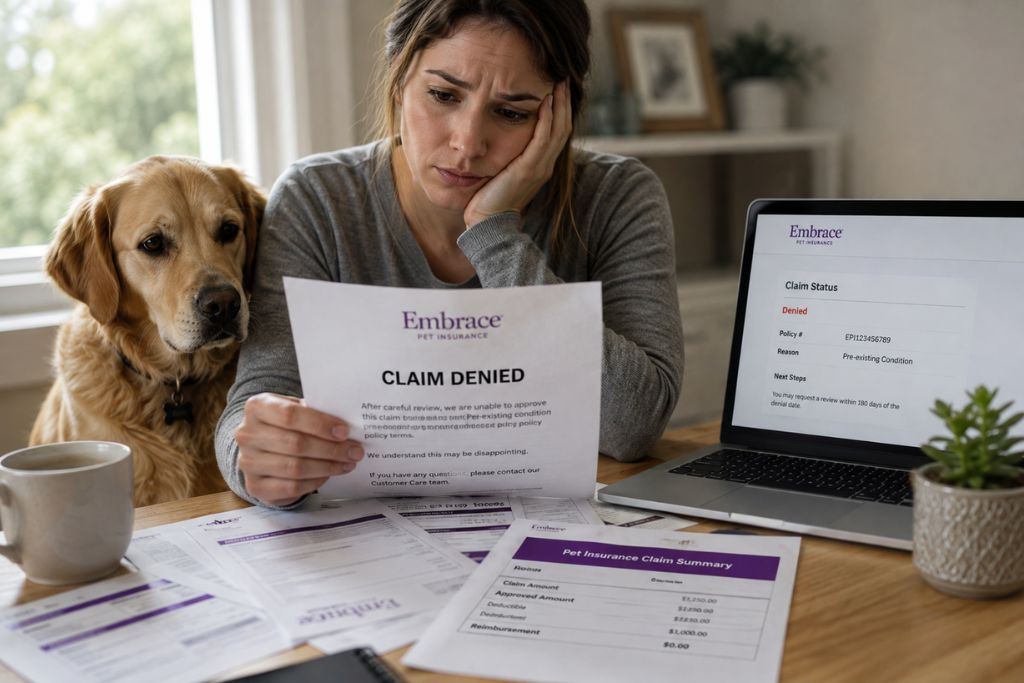
You open a letter expecting reimbursement after an emergency surgery that saved your pet’s life; instead you find a denial, policy language you barely recognize, and a sinking feeling that something is off.
Confusion grows as you reread definitions and exclusions, and one question keeps circling in your mind: can I sue the pet insurance company for decisions that feel unfair? There are important legal and contractual aspects most pet owners never see, and understanding them can change how you respond.
Keep reading, because what you learn next may shape your next litigation.
Why Pet Insurance Claims Get Denied In Miami
Denials rarely come with full explanations; you often receive a brief reference to a clause, a date, or a medical note, leaving you to connect the dots between your pet’s care and the policy issuer’s reasoning.
In Miami, advanced veterinary services are common and costs can rise quickly. So, many denied pet insurance claim situations stem from contract structure, which means the issue is frequently about wording, timelines, and documentation rather than the quality of care your pet received.
You might also face underpayment instead of a full denial, where part of the bill is reimbursed but key procedures are excluded, creating a financial gap that still hurts. In both scenarios, the disagreement centers on interpretation and internal review standards used by the coverage company.
Can You Sue a Pet Insurance Company
The short answer is yes, in certain situations you can pursue legal action; however, not every disagreement with a coverage decision rises to the level of a lawsuit.
A key distinction exists between a simple contractual dispute and conduct that may support a pet insurance lawsuit Miami courts could recognize. A basic dispute might involve how a deductible was calculated or how coinsurance was applied, issues that can often be resolved through clarification and internal review.
By contrast, patterns of unexplained denials, shifting justifications, or refusal to consider relevant medical documentation can signal deeper problems in how the policy issuer is administering your coverage:
- The coverage company relies on policy language that does not clearly support the denial when you read the full contract.
- Explanations change over time, with new reasons appearing after you challenge the first denial.
- Internal reviews ignore veterinary records you submitted, or fail to address specific evidence about onset dates.
- Communication from the company managing the policy is delayed, incomplete, or avoids answering direct questions about how the decision was made.
You can also review general insurance dispute principles explained by Florida’s insurance lawyers for broader legal context.

When A Denied Claim May Cross The Line
Warning signs include:
- Vague denial letters that cite general exclusions without tying them to specific medical facts in your pet’s file.
- Long periods of silence after you submit additional records, followed by a repeated denial with no new analysis.
- Requests for the same documents multiple times, suggesting disorganization or delay rather than genuine review.
- Interpretations of pre-existing condition clauses that stretch definitions beyond how they are written in the policy.
At this stage, speaking with a pet insurance lawyer in Florida becomes less about asking questions and more about evaluating whether the company’s conduct meets legal standards.
What Pet Owners Should Do Before Filing A Lawsuit
- Request a complete written explanation of the denial, asking the coverage company to cite specific policy sections and medical evidence relied upon.
- Gather all veterinary records, invoices, diagnostic results, and treatment notes related to the claim and any earlier visits that might be referenced.
- Keep copies of every email, letter, and claim form, creating a timeline of when you submitted information and when the policy issuer responded.
- Use the internal appeal process if your policy provides one, submitting additional evidence and clearly explaining why you believe the decision is incorrect.
This shows that you engaged with the process in good faith and gives your attorney a clearer picture of how the dispute developed.
When Legal Action Becomes The Next Step
There comes a point where additional phone calls and letters stop producing meaningful answers. When this happens, legal action can shift the balance by requiring the policy issuer to justify its decisions under closer scrutiny, often through formal document requests and legal procedures that are not available in routine customer service interactions.
A pet insurance attorney in Miami understands local courts, Florida insurance principles, and how to frame your claim in a way that focuses on contract terms and claim handling practices rather than emotion. So, clear indicators that moving toward a lawsuit makes sense:
- Your internal appeals are denied with minimal analysis, despite strong medical documentation supporting your position.
- The insurer’s interpretation of the policy seems inconsistent with its plain wording, especially around coverage triggers and exclusions.
- Communication has broken down to the point where you cannot obtain clear answers about how your claim was evaluated.
- The denied amount is large enough to justify the time and cost of legal representation, particularly for surgeries or complex treatments.
If you believe your situation has reached this stage, consider reaching out to Your Pet Attorneys to discuss your options and have your policy and denial reviewed by a team experienced in pet insurance disputes.