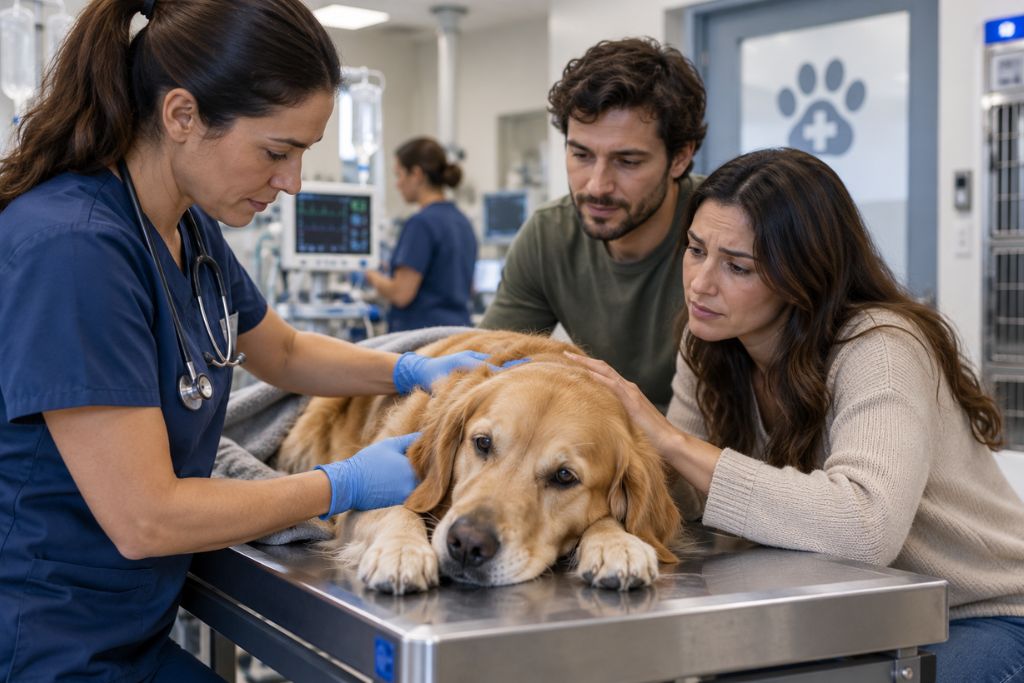
By mid-morning your clinic is already operating at capacity; the first surgical patient is in recovery, two exam rooms are turning over, lab samples are waiting for processing, and your reception desk is balancing phone calls with in-person checkouts.
Then, a client approaches: “can you tell me if my pet insurance will reimburse this?” Pet insurance claims in veterinary clinics begin to occupy space in conversations that were originally about medicine, not reimbursement.
One client asks about reimbursement percentages for diagnostics; another wants confirmation that a procedure code matches their coverage; a third returns weeks later because the reimbursement amount was lower than expected. Each exchange reshape the pace of your day.
Pet insurance claims in veterinary clinics influence staff workflow, client expectations, and clinical timing. Keep on reading to understand how your team allocates attention, even when patient care must remain the top priority.
A Typical Clinic Day Interrupted by Insurance Questions
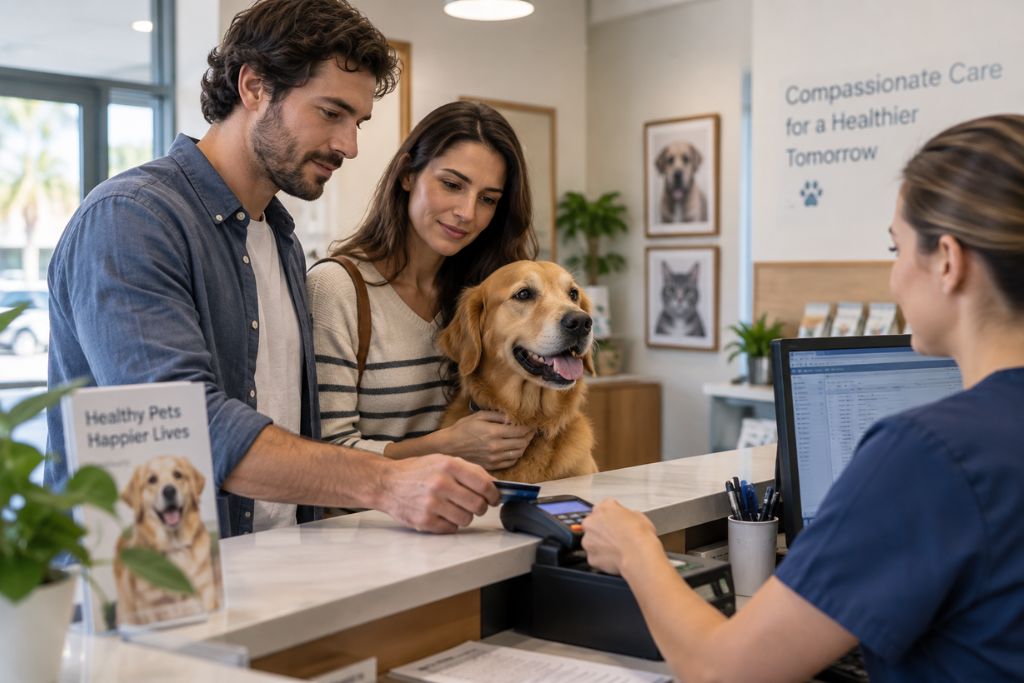
Always at transitional moments; discharge, intake, or scheduling.
You may find yourself responding to pet insurance reimbursement questions that require explanation of deductibles, coinsurance, annual limits, or waiting periods. Although your team did not design these policies, clients frequently look to the clinic for reassurance like this:
- A client requests that your staff verify coverage eligibility before consenting to treatment.
- The reception team pauses billing to complete insurer-specific claim documentation.
- Technicians reprint and rescan medical summaries because formatting did not meet policy issuer requirements.
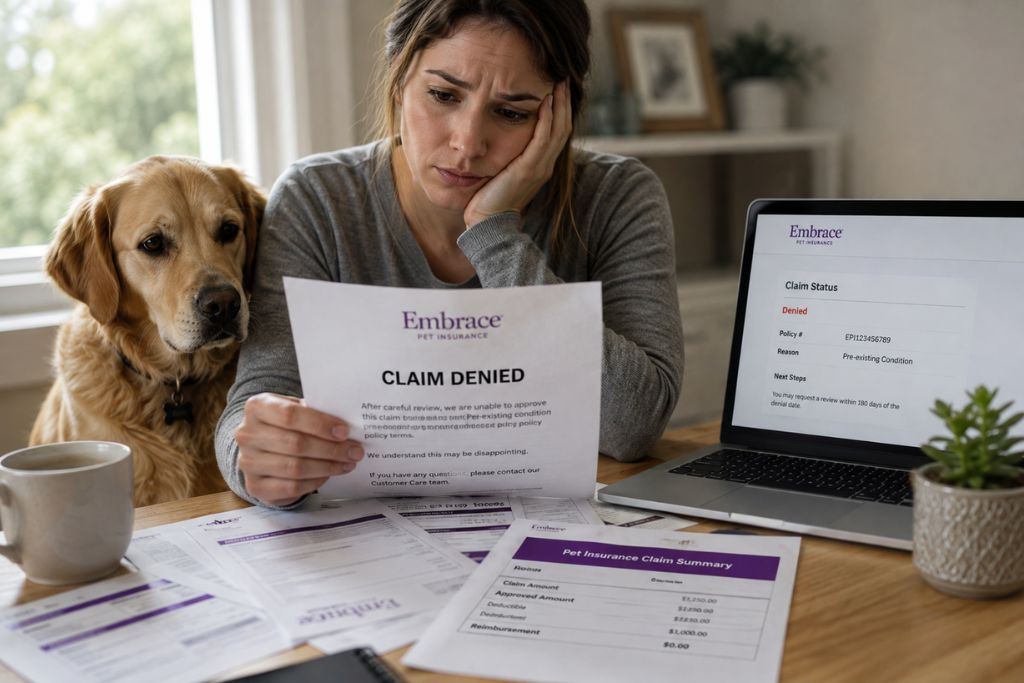
- Follow-up calls arrive asking why reimbursement did not match expectations.
These exchanges come from legitimate financial concerns. Still, they fragment attention and a single five-minute explanation can disrupt room turnover timing, shift staff from clinical tasks to delay internal communication between technicians and veterinarians.
When Veterinary Staff Become Insurance Interpreters
Over time, Veterinary technicians begin explaining reimbursement structures during exam follow-ups; and the language of insurance seeps into the clinical, even though the clinic is not a party to the insurance contract.
Pet insurance issues in veterinary practices often place staff in interpretive roles. These explanations are offered in good faith, yet they require mental bandwidth that would otherwise support patient monitoring or client education about medical care:
- Reception teams reviewing claim forms with clients during peak check-out periods.
- Technicians retrieving archived notes to satisfy documentation requests from coverage companies.
- Administrative staff tracking reimbursement timelines to answer client inquiries.
- Team members clarifying that denial or partial payment decisions are outside clinic control.
The clinic remains focused on patient outcomes; however, the administrative overlay expands quietly. For additional perspective on this, you can review pet insurance claims impact vet clinics, which explores similar patterns.

The Hidden Cost of Pet Insurance Claims in Veterinary Clinics
The cost of these interactions manifests in delayed callbacks, compressed appointment windows, and extended closing procedures.
Insurance paperwork in veterinary clinics can extend beyond initial visits, yes, but when a coverage company requests additional documentation weeks later, your team must retrieve records multiple times. Each request interrupts another task:
- Discharge conversations lengthen because reimbursement discussions follow medical explanations.
- Administrative staff spend cumulative hours on documentation formatting rather than scheduling optimization.
- Phone queues increase during peak hours due to reimbursement clarification calls.
Pet coverage claims reshape how your team allocates focus throughout the day. When administrative overlap consistently competes with clinical priorities, the hidden cost is resources that were originally designed to serve patients, not interpret insurance processes.
Why These Situations are Becoming more Common
Pet insurance enrollment has increased steadily, and it directly affects how often pet insurance claims in veterinary centers become part of daily operations. As more pet owners rely on coverage to manage treatment costs, clinics interact with a wider range of policy issuers, each with its own documentation requirements and reimbursement timelines.
Now this appears regularly throughout the week. Administrative differences between coverage companies are part of the routine coordination required to close out visits and respond to client questions.
Clients also tend to see the clinic as the main point of reference for anything related to their pet’s care, including reimbursement concerns. When a payment is delayed or lower than expected, the first call often comes back to the veterinary team rather than the company managing the policy. Staff then spend additional time explaining processes, resending records, or clarifying that coverage decisions are made externally.
The broader structure that governs how insurers operate is shaped by state-level frameworks often discussed by Florida insurance lawyers, which provides context for understanding the environment in which these reimbursement systems function, even though clinics themselves do not adjudicate claims.
Supporting Veterinary Teams Without Disrupting Patient Care
Veterinarians diagnose and treat; coverage companies evaluate claims. Maintaining that separation protects workflow integrity and reduces confusion about responsibilities.
Clear internal protocols help preserve balance, as clinics can provide complete medical documentation and factual summaries while avoiding interpretive commentary about coverage outcomes. Establishing communication standards ensures that staff support clients without assuming the role of insurance intermediaries.
Clinics that want to strengthen this structure may consider dedicated support for vets, which aligns with preserving operational flow without shifting attention away from patient care. Within the state’s broader professional field, awareness of how insurance systems intersect with veterinary services is often shaped by conversations referenced by pet attorneys in Florida.
When roles remain defined and support structures are in place, your team can stay centered on medicine, communication, and patient wellbeing. This is where its expertise truly belongs.