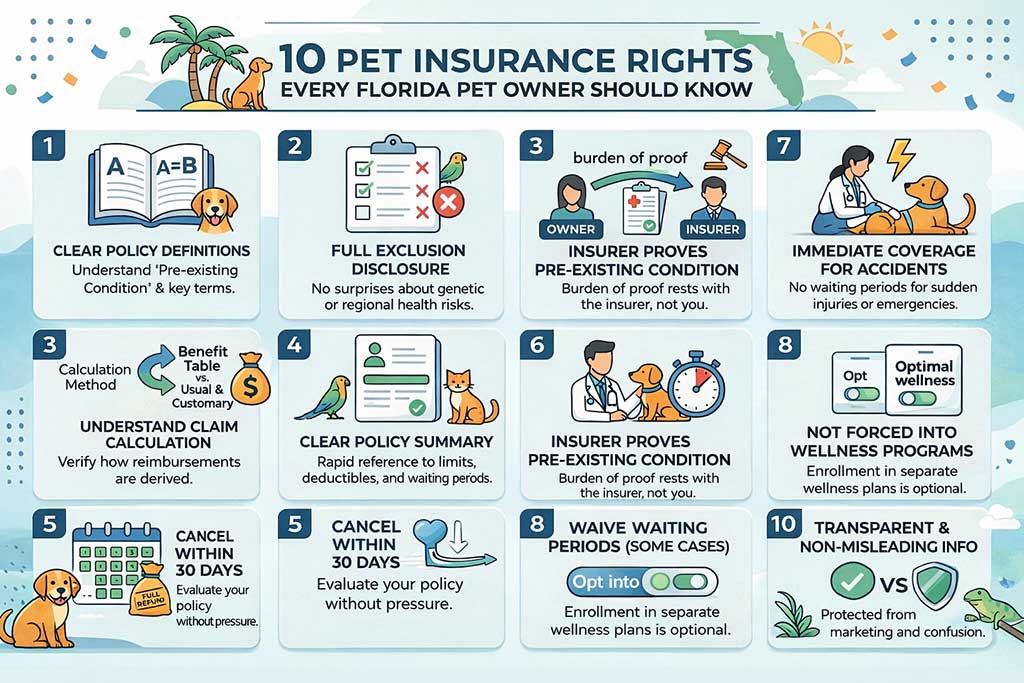
A urinary episode can blow up your week: your dog starts asking to go out every hour, or your cat hovers over the litter box and strains, you see drops instead of a normal stream, you notice blood, and the worry kicks in fast because urinary problems can escalate.
You do the responsible thing, you book the appointment, you pay for testing, you follow the medication plan, and you assume your pet insurance will do what it promised.
Then you open a denial letter that sounds just about final. You are trying to get reimbursed for care you already paid for, care you sought quickly because urinary signs can indicate serious pain, obstruction risk, and complications.
There is a practical way out of this, and it starts with the same thing veterinarians value: evidence and timelines.
Our goal is to help you match your claim file to the way insurers make decisions. If your claim is denied, you will also learn how to respond in writing, and what a professional review looks like when the denial does not align with your policy language. Let’s dive right in.
What Is a Urinary Tract Infection in Pets?
It’s most commonly a bacterial infection affecting the lower urinary tract, especially the bladder. Veterinarians typically support the diagnosis with urinalysis, and when needed, a urine culture and sensitivity test that identifies the organism and guides antibiotic choice.
This matters because claims often hinge on whether the record shows infection evidence.
In practice, a single episode can be acute and resolved, and that should be straightforward for reimbursement. But, some coverage companies treat urinary claims as if they are automatically part of a bigger, longer story.
If the medical record clearly states “acute bacterial cystitis,” includes testing results, and notes improvement and resolution, it is easier to show the episode is isolated. If the record is light, or if it uses broad language without confirming bacteria, the policy issuer may claim it is a recurrence or a continuation.
Signs of a Urinary Tract Infection (UTI) in Dogs
- Frequent urination with urgency: note the first day you saw it, and whether it was a sudden shift from normal bathroom habits
- Straining, discomfort, or hesitation: especially if the note reflects pain or difficulty passing urine
- Blood-tinged urine or visibly abnormal urine: if you saw blood or cloudiness, ask that it is included in the history section
- Accidents indoors after reliable training
- Strong odor or licking at the genital area: this can support urinary irritation, and it can help your vet justify diagnostics
- Behavior changes tied to urination; restlessness, sleep disruption, or repeated requests to go outside
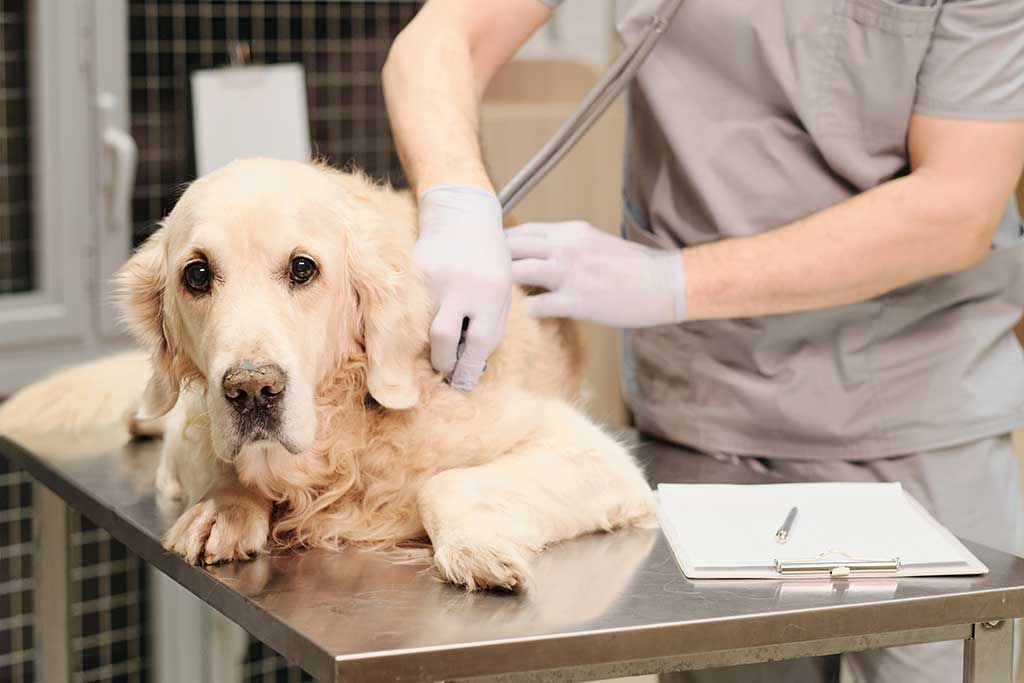
Signs of a Urinary Tract Infection UTI in Cats
- Frequent litter box trips with little output.
- Straining, vocalizing, or prolonged squatting: these details can support a picture that justifies testing and treatment.
- Urinating outside the litter box: note when it started, how often it happens, and whether it coincides with visible discomfort.
- Blood in urine or pink staining: if you saw it, say it clearly, because it often drives diagnostics and urgency.
- Excessive licking near the genital area, as urinary irritation can show up this way, and it supports the need for evaluation.
- Reduced appetite or hiding: subtle pain behaviors can appear before obvious urinary symptoms.
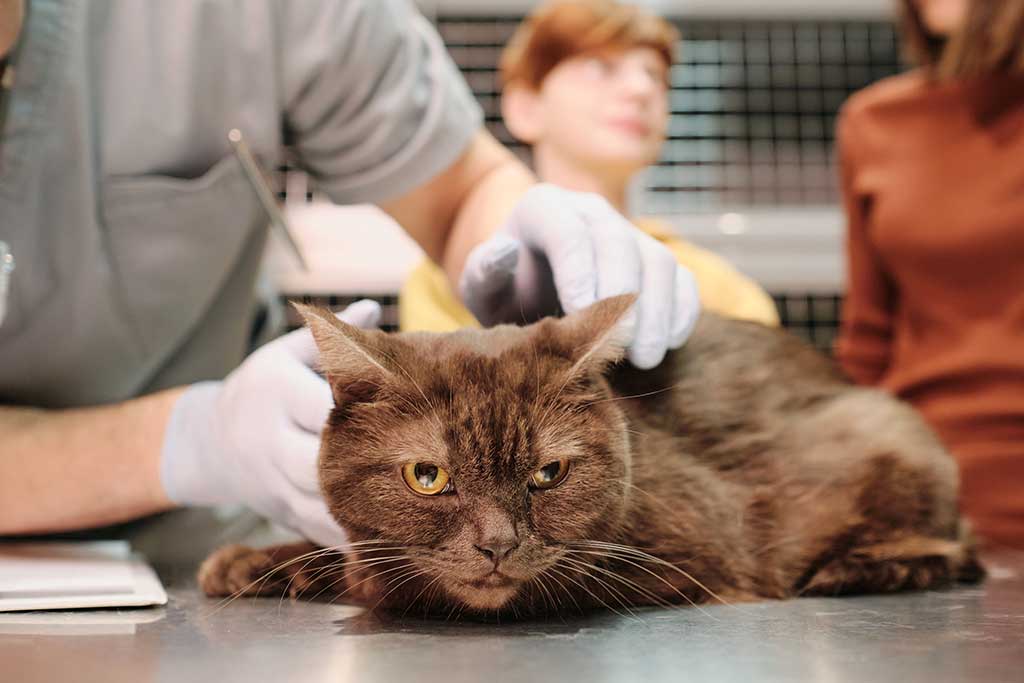
How Pet Owners Should Act
When urinary signs appear, speed matters. Waiting can worsen medical risk, and it can also blur the timeline an insurer later tries to use against you:
- Seek care quickly and document onset: write down the date you first noticed symptoms, and bring that timeline to the appointment.
- Request complete records, not only invoices.
- Ask how the urine sample was collected: free-catch versus cystocentesis can affect contamination concerns, which can matter in disputes.
- Clarify whether bacteria were confirmed.
- If symptoms resolve, a recheck statement or follow-up note can show the episode ended.
- Save every denial letter, explanation of benefits, or portal screenshots.
Do not assume the insurer will request missing documents on its own; if you submit the full packet upfront, you reduce the space for a claims reviewer to guess.
Is a Urinary Tract Infection a Pre-Existing Condition?
The dispute problem is that urinary signs can be vague, and some insurers treat any earlier mention of urinary behavior as proof the condition existed, even when no diagnosis was made and no testing supported infection. So:
- Ask the insurer to identify the exact clause used.
- Pre-existing findings should tie to a specific date and note, not a broad impression.
- Build a timeline with policy start date, waiting period end date, symptom onset, vet visit date, and diagnosis date.
- Compare symptom language to diagnosis language.
- Urinalysis and culture reports can show a new episode supported by findings.
- If the episode is resolved and there is no ongoing treatment, that can weaken “ongoing condition” arguments.
Your job is to show those notes do not meet the policy definition and do not establish the same condition.
Can a UTI Be Considered a Chronic Condition?
“Chronic” can be a useful medical term, but in claim review it often becomes a shortcut that blocks reimbursement.
Some pets have repeated infections due to anatomy, stones, endocrine issues, or other triggers; others have isolated episodes that resolve and never return. This matters because chronic labeling can create long-term exclusions that outlive the actual event.
If an insurer calls your case chronic, request the medical basis they relied on. If the denial letter lacks specifics, push for a clear explanation of how your record meets the policy’s chronic definition.
When a Common UTI Turns Into an Insurance Dispute
Disputes can be present because urinary signs are easy to reinterpret, and because insurers sometimes use the claim review process to set future exclusions. A UTI might be reimbursed once, then reclassified later, or denied outright based on timing logic:
- Waiting period denials based on symptom language: the insurer treats vague early signs as the start date, even if the diagnosis came later.
- Pre-existing denials based on a single old note: a past mention of urinary behavior is treated as proof of the same condition.
- Reclassification after a second urinary event: the insurer argues the earlier episode was chronic after all, then excludes new care.
- “Related condition” expansion: a bladder stone or inflammation later is treated as linked to the original episode without clear support.
- Incomplete record denials: missing lab reports or incomplete notes make it easier to deny based on uncertainty.
That principle matters: urinary episodes vary, records vary, and policy language varies. When every urinary claim is a pre-existing or chronic event, you respond by forcing a record-based comparison between what happened and what the contract actually excludes.
What to Do If Your UTI Claim Is Denied
- Request a written denial with clause citations; you need to see the exact language used to justify the denial.
- Assemble your complete claim packet; invoice, records, lab reports, culture results, prescriptions, and any recheck notes.
- Create a one-page chronology; list dates and attach supporting documents behind each date.
- Ask what record entry proves pre-existing or chronic status; make the insurer point to a line item, not a general impression.
- Request reconsideration with added evidence; if something was missing initially, resubmit with a clear cover letter.
- Track deadlines; appeals windows can be strict, and delays can reduce your options.
How The Gross Group, Your Pet Attorneys Evaluates UTI Denials
If your pet’s urinary tract infection claim was denied or partially paid, a professional legal review may help clarify your options:
- The review starts with definitions for pre-existing conditions, waiting periods, chronic conditions, and related-condition clauses.
- Record integrity check: visit notes, lab reports, and diagnosis lines are compared for consistency.
- Timeline reconstruction: symptom onset, visit date, testing date, diagnosis date, treatment date.
- Written communications are framed around the insurer’s own clauses and the medical record facts.
- If the insurer sets an ongoing urinary exclusion, the review examines whether the record supports it.
- Escalation strategy when needed: if internal appeal fails, next steps are evaluated based on documentation strength and your goals.
If you want an intake point for this kind of file review, Your Pet Attorneys can be reached through their contact channel, and you can also review how pet attorneys in Florida approach insurance disputes involving companion animal medical coverage.
In some cases, broader coverage dispute context also matters, and Florida insurance lawyers can provide additional perspective on how policy language is interpreted in insurance conflicts more generally.