Ear problems are among the most frequent reasons you take your companion animal to the veterinarian.
They represent a significant percentage of routine veterinary appointments, especially in animals with floppy ears or underlying skin sensitivities. Here, diagnostic costs can increase quickly, particularly if cultures or imaging are required to rule out deeper inflammation.
At that point, are ear infections covered by pet insurance? Many policyholders discover that coverage depends on how the condition is classified by the company managing the policy.
Understanding how these conditions are discovered, how insurers interpret these episodes, and how policy terms apply to your specific situation, is essential to assume your future claim will be paid. Let’s dive right in.
What are Pet Ear Infections?
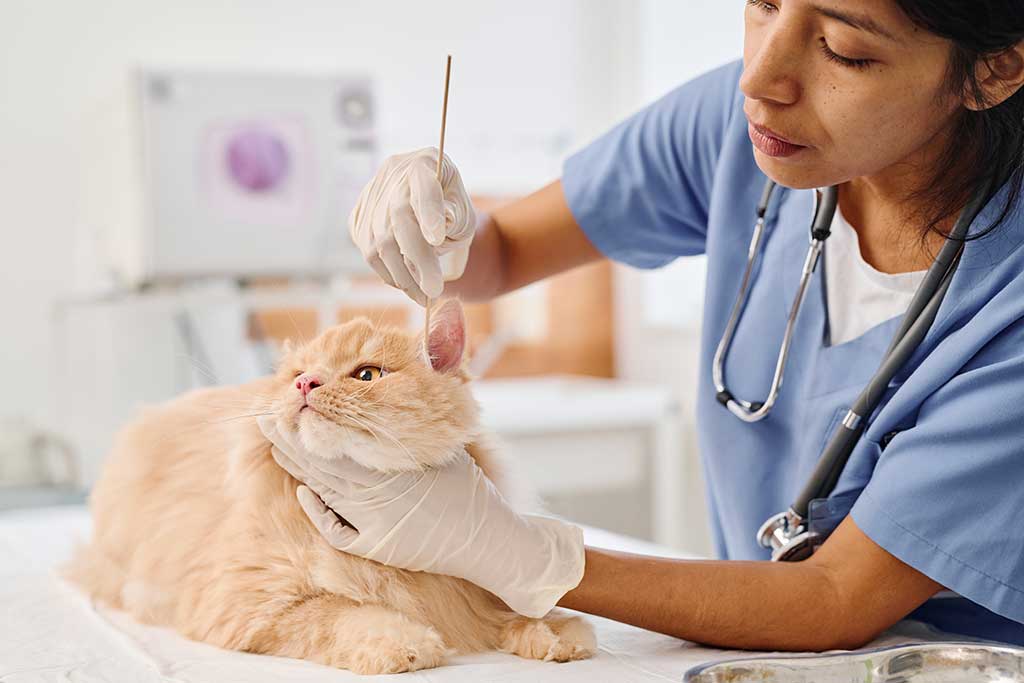
They typically involve inflammation of the ear canal, and although often perceived as minor, they are consistently categorized among the most common pet illnesses treated everyday. Veterinarians refer to this condition as otitis in dogs when discussing canine cases, and similar terms apply across species.
You may notice symptoms such as persistent scratching, head shaking, foul odor, swelling, discharge, or sensitivity when the ear is touched. A dog ear infection can begin with:
- Excess moisture, especially after bathing or swimming
- Allergies, both environmental and food-related, which trigger chronic inflammation inside the ear canal
- Ear mites or foreign material, leading to irritation and secondary infection
- Anatomical factors such as narrow canals or heavy ear flaps that limit airflow
If inflammation persists, the ear canal changes structurally over time, making future infections more likely. This pattern of recurrence plays a central role in how insurance providers later classify the condition.
Can Pet Allergies Cause Ear Infections?
The clinical answer is yes, in many cases. Allergic reactions affect the lining of the ear canal, causing swelling, redness, and increased wax production that favors microbial overgrowth.
Insurance companies often examine medical records for signs of repeated inflammation, itching, or dermatologic complaints. If ear infections are associated with documented allergies, the coverage company may classify them as secondary to a chronic allergic disorder.
So, we ask: how does the policy issuer determine whether your claim qualifies under the contract?
Does Pet Insurance Cover Ear Infections?
Coverage is generally available under accident and illness plans, yet it is not automatic in every scenario. Insurance coverage determinants include:
- Policy start date, which establishes the baseline for what is considered pre-existing; symptoms documented before enrollment may influence eligibility.
- Waiting period compliance, meaning the required number of days between purchase and when illness benefits begin; claims filed too early are often denied.
- Prior medical records, which insurers review carefully to identify earlier signs such as head shaking, redness, or prior otitis diagnoses.
- Classification as chronic or curable, affecting whether future episodes are reimbursable.
This leads directly to a critical rule: the difference between chronic conditions and curable pre-existing conditions.
Curable Pre-Existing Conditions and the 180-Day Rule
They refer to problems that were treated appropriately, resolved completely, and remained free of symptoms for a defined period established by the policy. In practical terms, when:
- It received proper veterinary treatment and documentation confirms resolution.
- No related signs or clinical findings appeared during the required symptom-free interval.
- The policy specifies that certain illnesses qualify for reinstatement after that interval.
Many insurers apply a 180-day consecutive symptom-free requirement before reconsidering coverage; others extend the period to twelve months.
If your companion animal experienced an ear infection prior to enrollment but remained symptom-free for the full required period, the condition may no longer be treated as excluded under the contract.
From a legal standpoint, a prior ear infection does not automatically disqualify all future ear-related claims. Difficulties are present when the insurer applies the chronic label without fully analyzing the medical timeline.
Is Ear Cleaning Covered by Pet Insurance?
Routine ear cleaning, performed at home, is generally considered preventive or cosmetic maintenance. So, most standard accident and illness policies exclude such services unless you purchased an optional wellness rider.
By contrast, medical ear cleaning performed by a veterinarian as part of active treatment for an infection is often eligible for reimbursement when tied to a covered diagnosis. The distinction rests on:
- Routine Ear Cleaning: associated with grooming or preventive hygiene; typically excluded.
- Home maintenance care, recommended to reduce debris accumulation; typically excluded.
- Medical Ear Cleaning, conducted during treatment for diagnosed infection or ear mites; often billable under illness benefits.
If a veterinarian identifies ear mites requiring professional cleaning and medication, that service is more likely to fall within covered treatment than a standard hygiene visit.
Why Ear Infection Claims Get Denied
- Pre-existing classification: where prior symptoms are cited as evidence that the condition began before enrollment.
- Chronic allergy labeling: connecting ear disease to a long-term dermatologic issue.
- Insufficient documentation: such as incomplete medical records or missing diagnostic notes.
- Technical exclusions: written into the policy for specific hereditary or recurring conditions.
- Reduced payment for diagnostics: where certain tests are deemed unrelated or excessive.
In some cases, for a denial, the insurer relies on minor historical references. Other times, it recharacterizes the condition as chronic to limit future reimbursement. But, the truth is a denial letter does not necessarily represent the final word on eligibility.
When to Speak With a Pet Insurance Attorney
You may consider a legal review when the company managing the policy appears to disregard explicit provisions:
- The insurer ignores the 180-day symptom-free rule despite clear documentation.
- The condition is labeled chronic without medical support.
- Repeated denials occur for similar claims.
- Approved payments are reduced without adequate technical explanation.
An attorney experienced in companion animal insurance disputes may conduct a detailed analysis of the policy, review veterinary records, prepare a formal dispute submission, and, if necessary, pursue litigation; experienced pet attorneys in Florida can also evaluate how state-specific insurance standards apply to your case.
Their objective: verifying that the contract was interpreted and applied according to its written terms.
Final Considerations on Classification and Coverage
Truth is careful documentation, attention to waiting periods, and awareness of reinstatement rules all influence the outcome of a claim, and consulting with insurance lawyers in Florida may help determine whether the insurer adhered to its stated criteria and respected the coverage terms you purchased.
If your pet’s ear infection claim was denied or labeled pre-existing, let Your Pet Attorneys review your policy and medical records to determine whether the decision was properly applied.