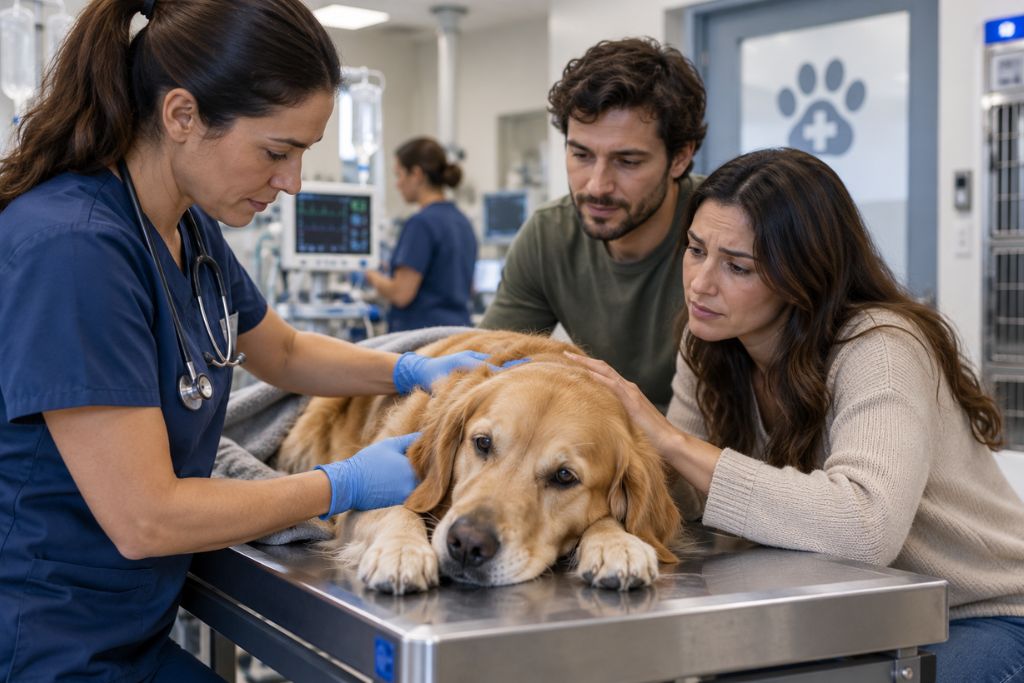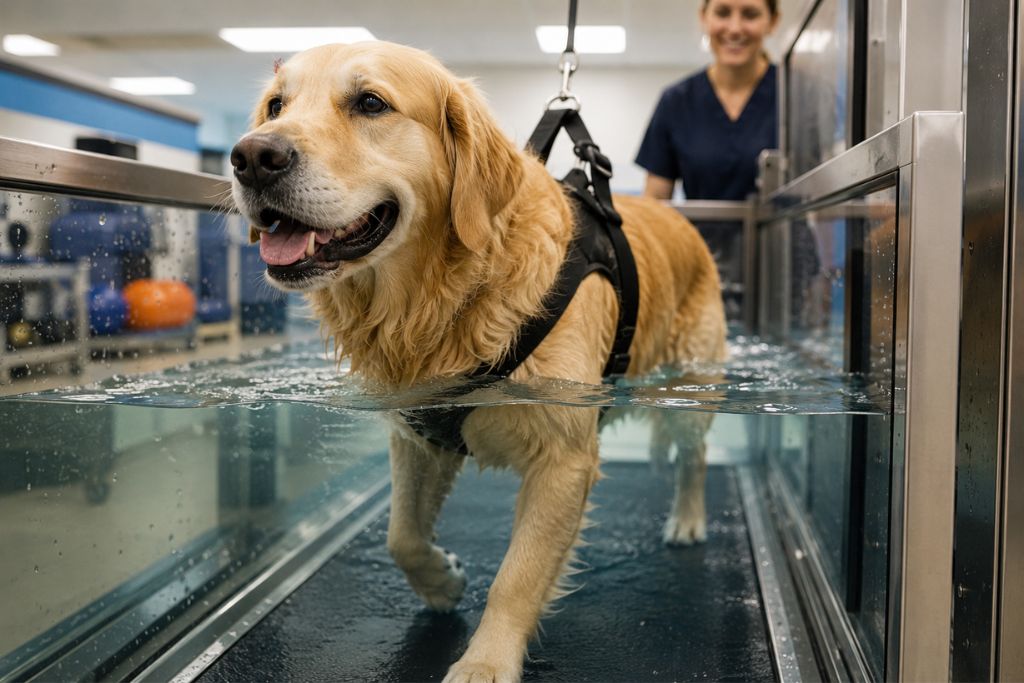
Throughout their lives, your pet may develop various conditions that take a toll both on their health and your household finances.
These are typically categorized by veterinarians and insurers based on their biological origin, duration, and the specific way they evolve over time.
Understanding these helps clarify why certain insurance claims receive approval while others face more rigorous questioning. When you recognize how a diagnosis fits into a policy’s framework, you can better anticipate the response from your insurer. Let’s dive right in.
How Pet Conditions Are Classified
Vets and policy issuers group medical issues into specific classifications to standardize how they evaluate necessary treatments and insurance payouts. They serve to determine the level of risk and the eligibility of a specific claim.
By organizing health concerns into clear groups, insurers can apply consistent rules regarding waiting periods and coverage limits:
| Type of Condition | What It Means | When It Typically Appears |
|---|---|---|
| Chronic Conditions | Long-term illnesses that require ongoing care or monitoring. | Usually develop during the pet’s life and persist over time. |
| Congenital Conditions | Conditions present at birth due to developmental abnormalities. | Present at birth, though they may be diagnosed later. |
| Hereditary Diseases | Conditions passed genetically from one generation to another. | May appear later depending on the disease. |
| Common Acute Illnesses | Frequent health issues that typically appear suddenly. | Can occur at any time during a pet’s life. |
Chronic Pet Conditions
These ongoing illnesses involve specialized diets that can continue for years and years. They represent a significant portion of long-term veterinary expenses:
- Diabetes: high blood glucose levels that requires daily insulin injections.
- Chronic kidney disease: gradual loss of renal function which requires subcutaneous fluids.
- Osteoarthritis: degenerative joint disease causing pain and reduced mobility that often worsens as the animal ages.
- Hypothyroidism: underactive thyroid gland that requires lifelong hormone replacement therapy.
- Degenerative heart disease: Progressive changes in the heart muscle or valves that eventually lead to congestive heart failure.
- Chronic allergic dermatitis: Persistent skin inflammation
If the insurer determines the condition was pre-existing, they may deny coverage for all subsequent treatments. Maintain detailed records of every veterinary visit to ensure your claims accurately reflect the timing of the diagnosis.
Congenital Pet Conditions
While these anomalies are present at birth, many do not become physically apparent or cause noticeable symptoms until the animal grows or undergoes a physical exam:
- Cleft palate: opening in the roof of the mouth that can lead to respiratory infections.
- Congenital heart defects: holes in the heart or valve malformations.
- Hydrocephalus: abnormal accumulation of cerebrospinal fluid within the brain cavities.
- Umbilical hernia: protrusion of abdominal contents through a weakness in the belly button area.
- Congenital patellar luxation: the kneecap frequently slips out of its natural groove.
- Congenital cataracts: cloudiness in the lens of the eye that is present from birth.
Many companion animal plans include specific exclusions for congenital issues, so the insurer can argue the condition was inherently present before you even acquired the animal.
Hereditary Pet Diseases
Unlike congenital issues, these may remain dormant for several years before manifesting actual symptoms:
- Hip dysplasia: malformation of the hip socket that leads to painful arthritis and lameness.
- Idiopathic epilepsy: seizure disorder with no identifiable structural cause.
- Progressive retinal atrophy: group of genetic diseases that cause eventual blindness.
- Von Willebrand disease: inherited bleeding disorder caused by a deficiency in the protein needed for blood clotting.
- Genetic cardiomyopathy: inherited disease of the heart muscle that impairs the heart’s ability to pump blood.
- Intervertebral disc disease: the cushioning discs between the vertebrae bulge or burst into the spinal cord space.
Some may apply higher premiums or specific waiting periods for breeds known to suffer from these hereditary issues. If your pet belongs to a high-risk group, the company might scrutinize diagnostic tests more closely to determine if the disease was foreseeable.
Common Acute Pet Conditions
These emergencies or infections typically happen without warning and require prompt attention. While many are easily treatable, the costs of emergency visits and diagnostic imaging can accumulate rapidly:
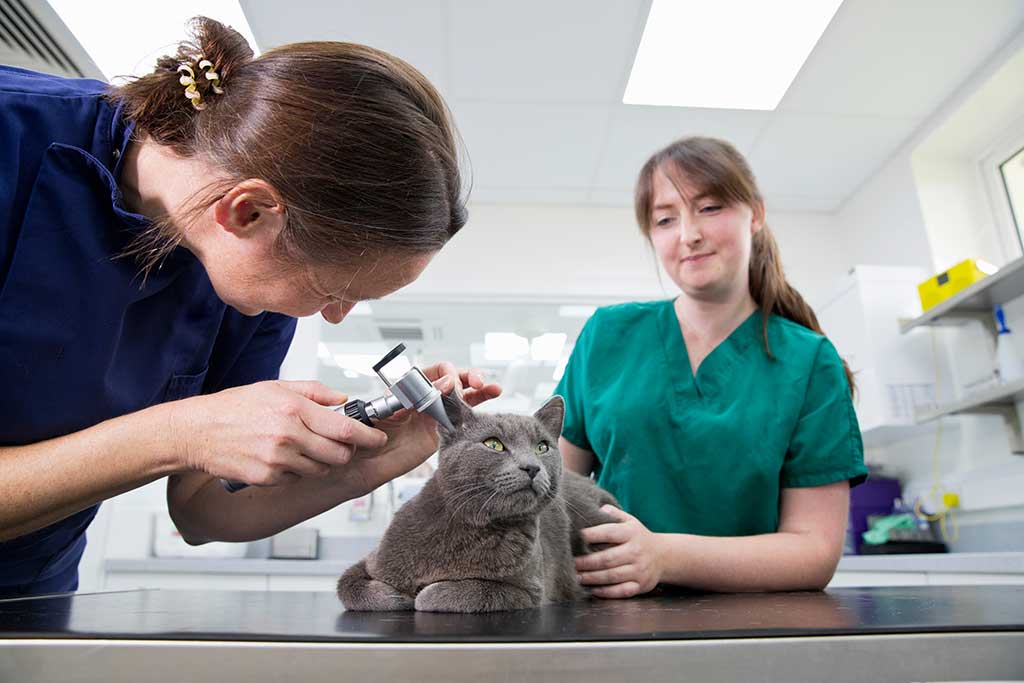
- Ear infections: often caused by bacteria or yeast.
- Urinary tract infections: cause straining, discomfort, and frequent urination.
- Gastroenteritis: inflammation of the stomach and intestines leading to vomiting and diarrhea.
- Intestinal parasites: infect the digestive tract and affect nutrient absorption.
- Flea allergy dermatitis: intense allergic reaction to flea saliva.
- Conjunctivitis: inflammation of the tissue lining the eyelids, often referred to as pink eye.
The policy issuer might also question the necessity of specific advanced treatments for what they perceive as a routine ailment, so careful documentation of the onset of symptoms is your best defense.
When Pet Conditions Lead to Insurance Disputes
A single diagnosis can be interpreted in multiple ways, leading to a pet insurance claim denial very, very quickly. An experienced pet attorney in Florida can review the terms of your contract to determine if the insurer has acted in bad faith or misapplied a definition.
Also, reviewing the policy with insurance lawyers in Florida ensures that a dispute remains aligned with the specific statutes of the state’s jurisdiction. Beyond pet-specific counsel, they bring the expertise to evaluate how regional regulations apply to the terms of your own animal’s policy.
If a pet insurance claim is denied because of how a condition is classified, reviewing the policy terms carefully can be important. Some pet owners seek legal assistance to better understand their options when coverage decisions are disputed.