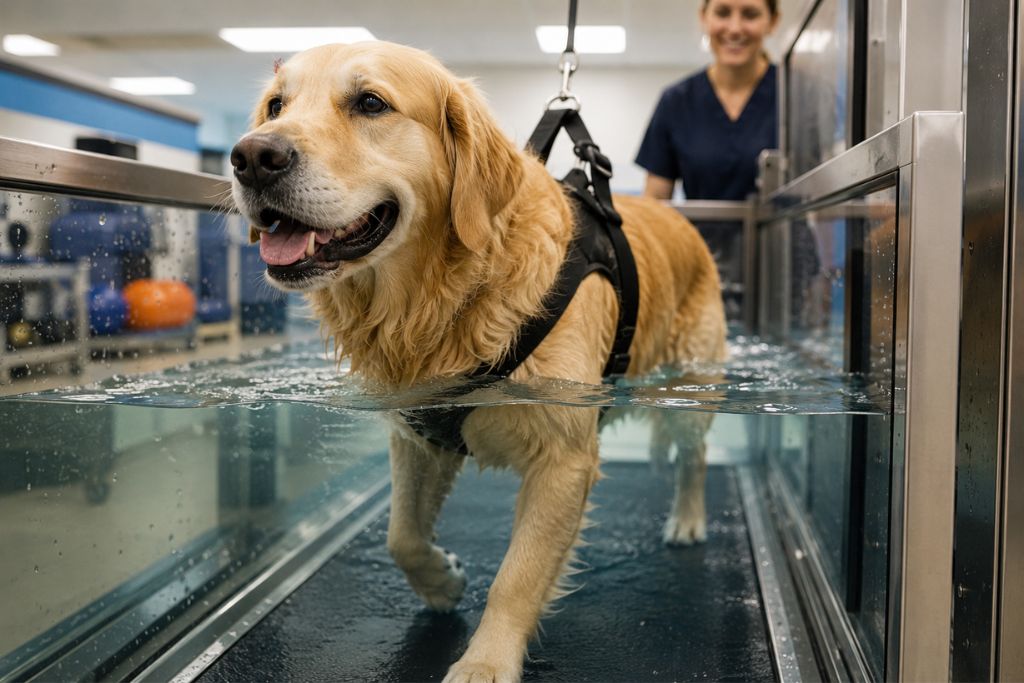
The United States has undergone a significant transformation due to the rapid increase in pet health insurance policies.
And, while these coverage plans give access to advanced medical treatments for various animals, they simultaneously introduce some hurdles that can overwhelm clinical staff. As more clients rely on their animal health coverage, the frequency of insurance disputes and documentation requests rises accordingly.
This surely needs a professional approach to managing policy conflicts, where legal assistance serves as vital help. So, throughout this guide, we’ll examine cases that illustrate how specialized guidance addresses all these challenges and more. Let’s dive right in.
Why Legal Assistance Is Becoming Relevant for Veterinary Clinics
The reception staff frequently bears insurance conflicts, spending hours providing repeated documentation to adjusters who question the medical necessity of standard treatments. The presence of legal assistance ensures that your clinic is not forced to choose between the owner’s budget and the patient’s health:
- Experienced advocates review the specific terms of a policy to ensure the company fulfills its duty to the client.
- Your team can redirect their energy toward patient triage rather than debating medical necessity with non-medical staff.
- Professional support challenges systemic denials that impact the practice’s long-term profitability.
- Specialized experts identify patterns in claim rejections that might indicate a provider is misapplying state-specific consumer protections.
- Advocates can cite relevant statutes to force a secondary review when an initial claim is rejected.
- Legal oversight of docs improves the quality of clinical records, making them more defensible against future audits.
Seeking support for vets ensures that your practice remains profitable and that no medical detail is overlooked during a high-stakes appeal.

Representative Cases Where Legal Assistance Helped Resolve Insurance Disputes
Each case study gives a specific type of disagreement that can happen during the billing and reimbursement process, impacting both the clinic and the pet owner.
Emergency Surgery and the Need for Legal Assistance
A dog begins vomiting repeatedly and shows signs of abdominal pain. Diagnostic imaging reveals an intestinal obstruction caused by ingested objects, requiring immediate surgery to prevent serious complications.
Once the patient stabilizes, the owner submits the invoice expecting the emergency treatment to qualify for reimbursement.
Weeks later, the insurer denies the claim after identifying earlier vet notes mentioning occasional digestive discomfort. Based on those records, the company argues that the obstruction may relate to a preexisting gastrointestinal issue. Attorneys here can determine whether the denial aligns with the contract’s definition of preexisting conditions.
Chronic Treatment Coverage Disputes with Pet Insurance
Chronic conditions like allergic dermatitis require consistent medication and follow-ups that providers may try to reclassify mid-treatment. The company managing the policy might change the case status suddenly to avoid ongoing interventions.
Pet lawyers analyze the contract’s definitions of chronic illnesses to stop the applying of unfair exclusions to new symptoms. This frequently appears during annual renewals, where insurers attempt to cancel lifetime coverage despite prior commitments to long-term care.
Underpaid Hospitalization and the Role of Legal Assistance
Hospitalization for issues like acute renal failure often leads to “excessive” monitoring fees. Policy issuers frequently issue partial payments, claiming that essential tests constitute costs that exceed “usual and customary” limits.
Here, advocates intervene by demonstrating that every level of care was medically necessary for the recovery. Also, by presenting a chronological set up of prior visits, the legal team trump the insurer’s ability to claim a historical link where none exists.
When Veterinary Clinics Seek Legal Assistance
Staff members gather medical records and respond to requests from insurers. For most cases, when disputes continue despite multiple documentation submissions, vet teams may consider exploring legal support:
- Repeated claim disputes involving the same policy issuer to ongoing claim challenges affecting multiple patients.
- Coverage companies sometimes dispute whether certain diagnostic procedures or treatments were required.
- Detailed provisions related to hereditary conditions, chronic illnesses, or preexisting symptoms can generate interpretation conflicts.
- Managing unresolved claims may gradually consume time that veterinary teams would otherwise dedicate to patient care coordination.
- Denials based on ambiguous veterinary notes or speculative comments from staff.
- High-value invoices for emergency procedures frequently trigger intensive audits.
Working with pet attorneys in Florida gives your practice protection ruled by state-specific statutes and consumer laws. Also, most insurance attorneys in Florida understand how to demand a secondary review that incorporates all medical facts.
Helping Veterinary Teams Stay Focused on Patient Care
When attorneys handle the communication with coverage companies, veterinary staff regain the space needed to focus on:
- Dedicate additional time to observing recovery progress, adjusting treatments, and documenting patient responses.
- Conversations on medical decisions and recovery expectations instead of explaining complex reimbursement issues tied to the insurance policy.
- When urgent cases arrive, veterinary teams benefit from prioritized diagnostics and surgical preparation.
- More detailed medical documentation focused on care quality.
Need legal assistance with complex insurance claims? Veterinary clinics facing repeated claim disputes or denied reimbursements may benefit from specialized legal guidance when insurance complications begin affecting daily operations.
Explore specialized legal guidance for vet clinics if ongoing insurance issues are consuming administrative time that should only remain dedicated to patient care.