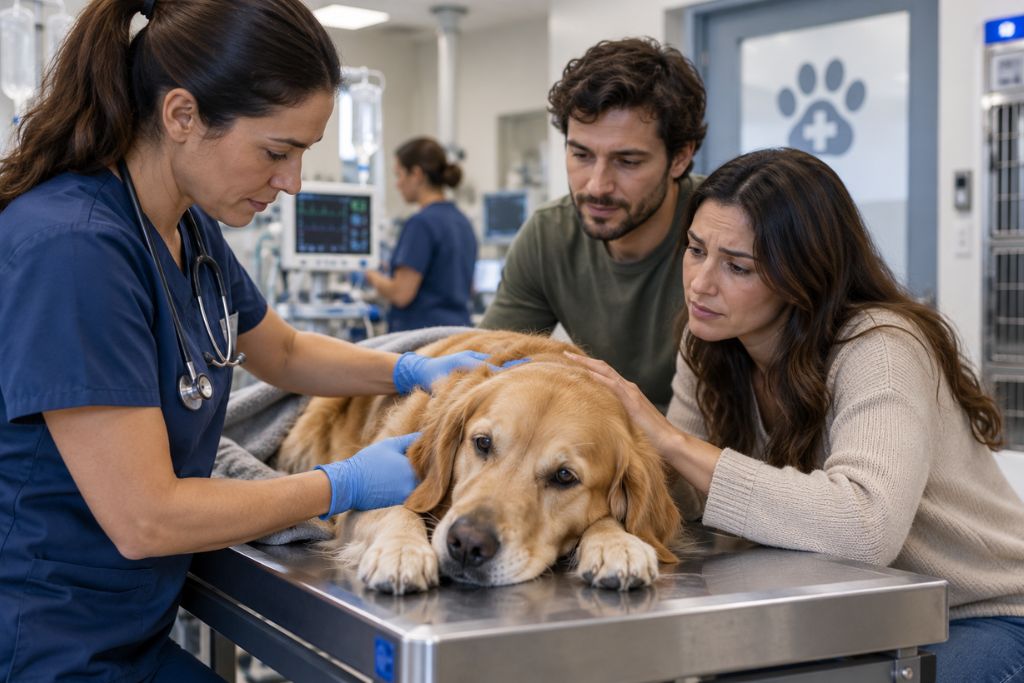
Unexpected veterinary emergencies require immediate medical intervention to stabilize a pet’s condition and frequently result in huge bills.
You likely maintain a policy to safeguard against these, expecting that your coverage actually works during a sudden health crisis. Unfortunately, many policyholders discover that actual reimbursement payments are often -far- lower than the total bill.
Understanding the specific limitations of your contract remains more than necessary.
While you focus on the recovery of your animal, the company managing the policy applies internal caps and exclusions to dictate their true intentions. So, you should read further to understand how these calculations lead to significant disputes over final reimbursement amounts.
What Qualifies as a Veterinary Emergency?
What is a true crisis? Every contract specifically defines what is considered a “covered emergency,” and these parameters can vary significantly. While a situation may feel like an impossible crisis to you as an owner, the animal health coverage provider might categorize the event differently:
- Verify the specific policy definitions for “trauma” because insurers often exclude incidents that do not meet their internal thresholds.
- Distinguish between elective and emergency procedures by ensuring the veterinary notes explicitly state that the intervention was required to prevent imminent mortality.
- Many policies include strict limits on toxicity treatments if the ingestion is deemed a result of owner negligence rather than a purely accidental occurrence.
- Evaluate the coverage limits for stabilization efforts, as diagnostic tests performed during a crisis are often subject to different reimbursement caps.
The discrepancy between clinical urgency and insurance definitions often leads to significant disputes, so remain vigilant regarding how your pet’s medical records describe the onset of symptoms.
What Pet Insurance Typically Covers in Veterinary Emergencies
Most standard animal insurance policies aim to cover the essentials: diagnostic testing, hospitalization, and complex surgical interventions.
You should expect that blood work, advanced imaging, and life-saving medications form the core of your claim provided the underlying condition is not subject to an exclusion. So, understanding these basic components helps you set realistic expectations:
- Identify covered diagnostic procedures such as X-rays, MRIs, and comprehensive blood panels.
- Hospitalization expenses typically include the cost of overnight monitoring, oxygen therapy, and the administration of intravenous fluids required to stabilize your pet’s vital signs.
- Confirm the inclusion of specialized surgeries within your policy to ensure that emergency procedures for internal trauma or organ failure receive the necessary financial support.
- Life-saving medications administered in the ICU, including potent antibiotics and pain management protocols, form a standard part of most emergency reimbursement categories.
The presence of these medical components in your policy ensures that the primary clinical responses to a life-threatening event are recognized as compensable services.
Why Emergency Claims Are Often Underpaid
The company managing the policy applies various subtractions, such as deductibles and co-insurance, before calculating the final benefit. These caps on specific procedures can significantly reduce the amount you actually receive in your bank account, so be careful of:
- Customary fee limits are frequently applied to justify paying less than the hospital invoice if the provider deems the medical cost excessive for your geographic area.
- Specific procedure caps that might limit the total dollar amount available for certain types of emergency surgery or advanced diagnostics.
- Administrative exclusions often remove the costs of hazardous waste disposal or emergency exam surcharges from the final reimbursement.
If your emergency clinic provides an itemized breakdown of all professional fees, it helps prevent the insurer from applying unsubstantiated caps to your claim.
When a Veterinary Emergency Claim Denial May Be Questionable
Questionable denials also occur when a company uses an undisclosed reimbursement formula to avoid payment. In some cases, the insurer may ignore clear medical evidence that proves the condition was a new and sudden onset event:
- Insurers frequently attempt to link a sudden emergency to unrelated common pet illnesses to justify a pre-existing condition exclusion.
- Questionable denials often stem from an undisclosed reimbursement formula that deviates from the terms outlined in your original agreement.
- Audit the insurer’s interpretation of clinical notes to ensure they are not misrepresenting the findings of your veterinarian to label an acute event as a chronic health issue.
- Evidence proving a condition was sudden onset must be prioritized over subjective observations.
If the justification for a denial remains unsupported by the actual diagnostic timeline, seeking a professional evaluation of the case is the most effective way to protect your consumer rights.
How The Gross Group Reviews Emergency Claim Disputes
The Gross Group is a firm of Florida insurance lawyers that provides professional, institutional evaluations to determine whether your coverage was applied fairly and legally. The firm conducts a complete review of your policy documents to ensure the company managing the policy is not using hidden or illegal caps to reduce your benefits, checking up:
- Veterinary notes to determine if the medical records accurately reflect the onset and severity of the emergency condition.
- Classifications to see if the insurer incorrectly labeled an acute illness as a pre-existing condition to avoid payout.
- Disclosure compliance to ensure the policy issuer followed legal requirements when communicating coverage limitations.
- Proper payments by auditing the insurer’s math to see if they applied deductibles and co-insurance correctly.
- Reimbursement rate audits to compare the final benefit against the “usual and customary” fee schedules and identify arbitrary reductions.
- State-specific insurance statutes are applied to your case to confirm that they adhere to the consumer protection laws unique to the Southeast region.
Veterinary emergencies can be financially devastating, but you should not have to accept a reduced payment if the insurer has acted in bad faith or misinterpreted your contract.
Residents of the Southeast may find it helpful to consult with a pet attorney in Florida to address specific regional insurance disputes. Many focus exclusively on these types of consumer protection cases to ensure pet owners receive the support they were promised.
Was your emergency claim underpaid? Request a free pet insurance review.