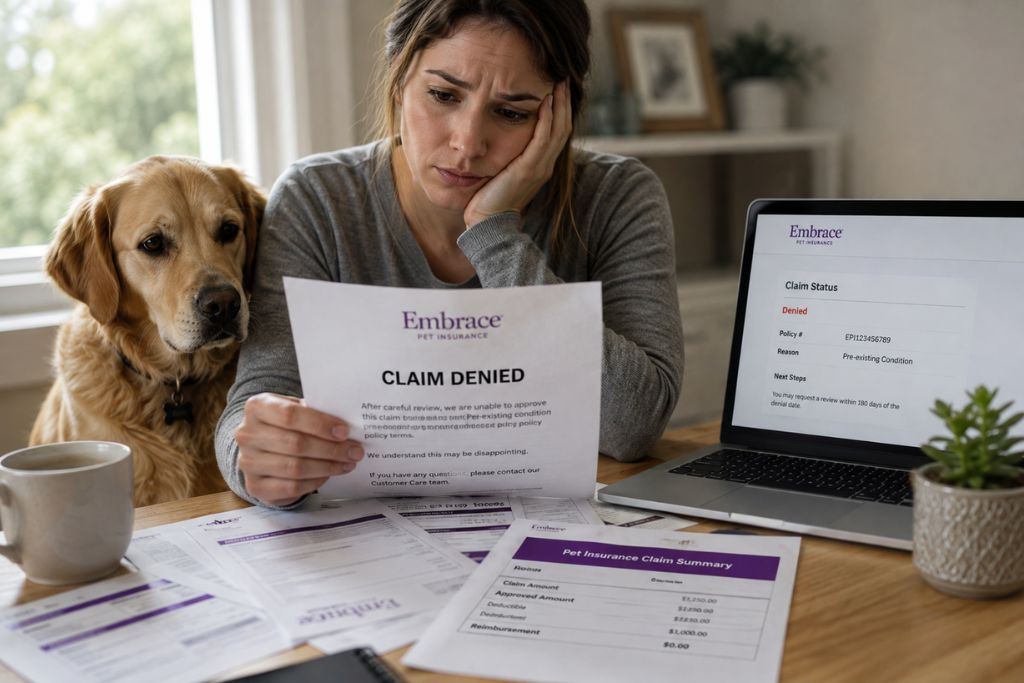
The first sign that something is wrong with your pet insurance often arrives as a gap between the veterinary invoice and what the insurer pays. At that point, you need more than help. You need assistance.
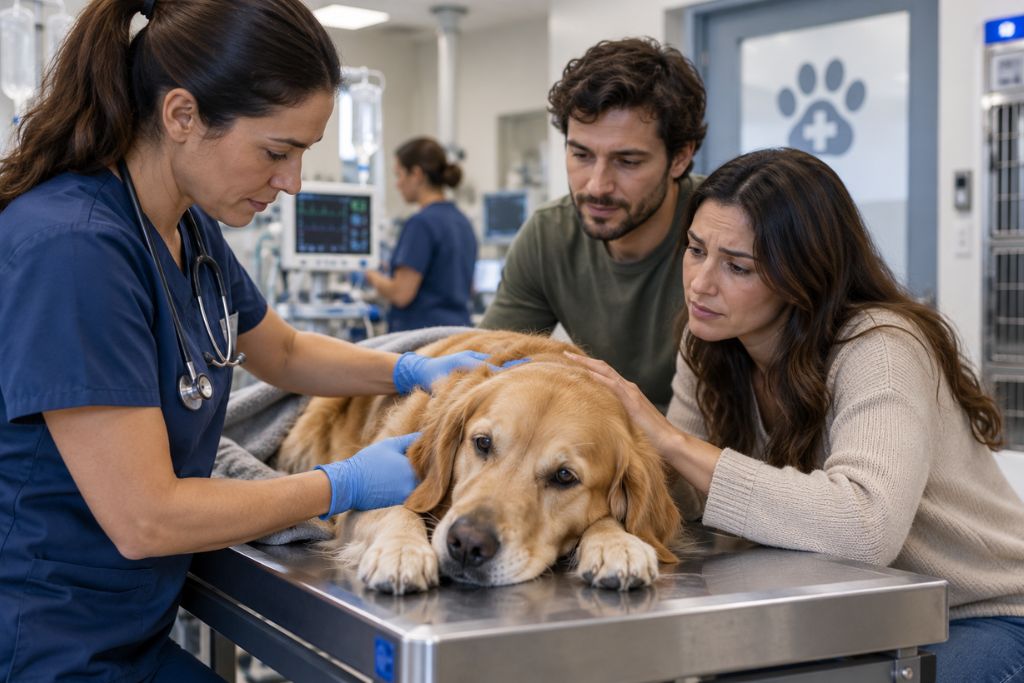
For many pet owners living in Orlando, this moment happens while dealing with a diagnosis that requires immediate decisions. Treatment timelines can move faster than insurance reviews, and financial responsibility becomes real before any appeal is resolved.
Now, speaking with a pet insurance lawyer in Orlando becomes less about conflict and more about being informed, and protected. Let’s break down the how.
Pet insurance in Orlando: when coverage fails at the worst time
There is a moment when pet insurance stops feeling like a safety net and starts behaving like a constraint. It usually happens without warning, not during planning or comparison.
In Orlando, veterinary care often advances faster than financial certainty. A recommendation turns into an urgent procedure, and consent forms are signed before coverage questions are resolved. At that stage, insurance is no longer shaping the decision, it is reacting to it.
What many owners experience is a gradual erosion of expected support:
- Reimbursement percentages shrink
- Certain parts of the treatment are reclassified
- Expenses that felt inseparable from the procedure are suddenly treated as optional or secondary
This is where the gap becomes clear and pet insurance does not always fail because of process issues. It does because it is tested under conditions it was never transparent about.
Why pet insurance companies push back on claims
Pushback usually begins when the insurer shifts the focus away from the treatment itself and places it on how your claim was documented, categorized, and submitted.
One common source of friction is how exclusions are applied:
- Policy language that appears narrow at enrollment is often interpreted broadly during review.
- A symptom described without precision can be linked to an exclusion that was never part of the original diagnosis.
Adjusters do not evaluate medical records the way veterinarians do; they audit them line by line, looking for inconsistencies, timing gaps, or references that can support a limitation. A single note mentioning unresolved findings may be enough to justify reduced reimbursement.
The truth? This dynamic is intentional. Many pet owners stop pushing not because managing a dispute alongside active treatment becomes unsustainable.
The hidden cost of accepting a denied or reduced claim
Once you move forward without challenging the outcome, the insurer’s interpretation becomes the reference point. Coverage limits, exclusions, and reimbursement criteria applied to that claim tend to carry over when the same diagnosis or treatment appears again.
From a contractual perspective, silence is truly never neutral.
Care decisions begin to adjust subtly around what you expect insurance to deny, not around what the veterinarian recommends. Over time, that shift affects consistency, follow-up, and documentation quality. Common consequences include:
- Higher out-of-pocket expenses accumulating across visits and treatments
- Delays in diagnostics or follow-up care due to cost concerns
- Incomplete medical records that weaken future appeals
- Reduced leverage if similar claims are reviewed again
These effects tend to surface gradually, which is why they are easy to underestimate. Understand this dynamic early and you’ll decide whether accepting a claim outcome truly closes the issue or quietly extends its cost.
Why Orlando pet owners struggle to dispute claims on their own
What complicates things is the way everything overlaps.
While you are trying to understand coverage language, your pet still needs medication, follow-up visits, or rest at home. There is no pause button that lets you deal with the claim first and the medical situation later, and both move forward at the same time.
Also, even when you read carefully, the logic insurers apply during review is not always obvious until a denial or reduction is already in place.
So over time, fatigue becomes the deciding factor because managing an appeal while caring for a pet demands attention you no longer have. Here’s where a good Florida insurance lawyer comes to save the day.
What a pet insurance lawyer actually does differently
The first step is auditing the policy line by line to identify how exclusions, reimbursement percentages, waiting periods, and definitions interact with the specific treatment your pet received.
The lawyer restructures the dispute around evidence:
- Medical records are reviewed to confirm symptom onset dates
- Diagnostic sequencing, and clinical justification, as adjusters rely heavily on timing and wording
- Arguments are submitted using the insurer’s own contractual language
Insurers tend to respond differently once communication becomes structured and technical; because the claim is no longer treated as an informal appeal but as a documented contractual challenge.

Why local Orlando experience matters in pet insurance disputes
Local experience matters because pet insurance disputes do not exist in a vacuum; they are shaped by how veterinary care is delivered in a specific city. Orlando has its own patterns that directly affect how claims are reviewed.
Insurers operating heavily in Central Florida develop recognizable behaviors over time:
- Certain carriers scrutinize emergency billing more aggressively
- Others focus on preexisting condition language
- Some rely on delay tactics that only surface once you are deep into the appeal process
A lawyer familiar with this local landscape understands how to align medical documentation with what insurers in this region actually challenge, which improves clarity and reduces avoidable back-and-forth during review. For more support, contact an Orlando insurance lawyer.
Final thoughts: protecting your pet when insurance lets you down
We’re not talking about an asset or an expense line; your pet is part of your daily life, your routine, and your responsibility, which is why insurance decisions tied to their care carry heavy emotional weight.
Knowing when to seek legal help is about restoring balance in a process where insurers control interpretation and timing. For pet owners who want to understand their position or request a specific case review, you can reach out to The Gross Group.