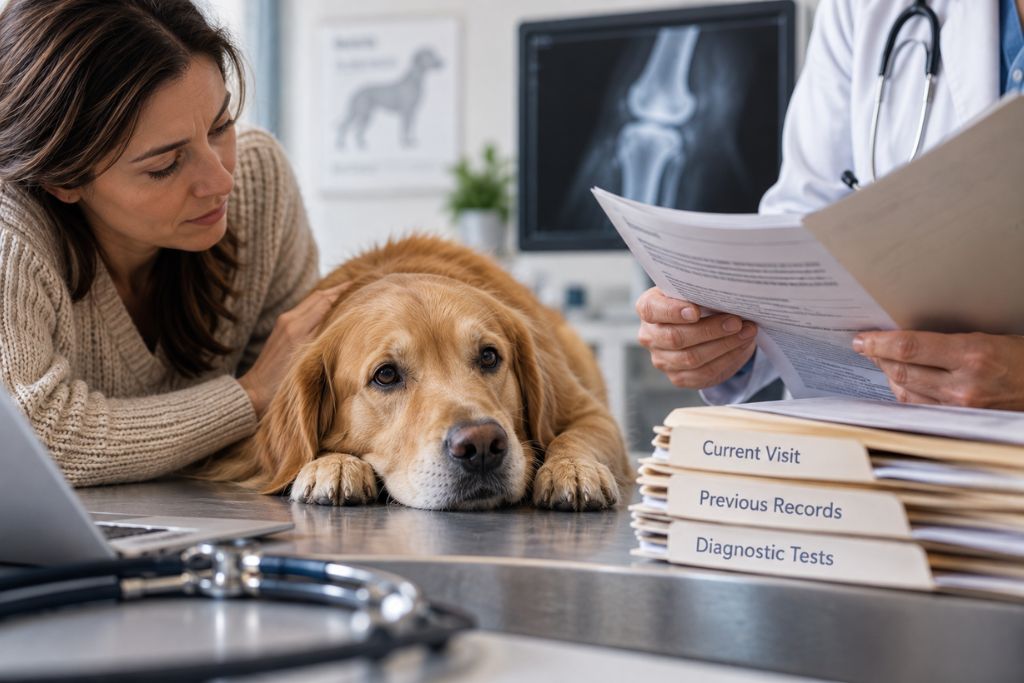
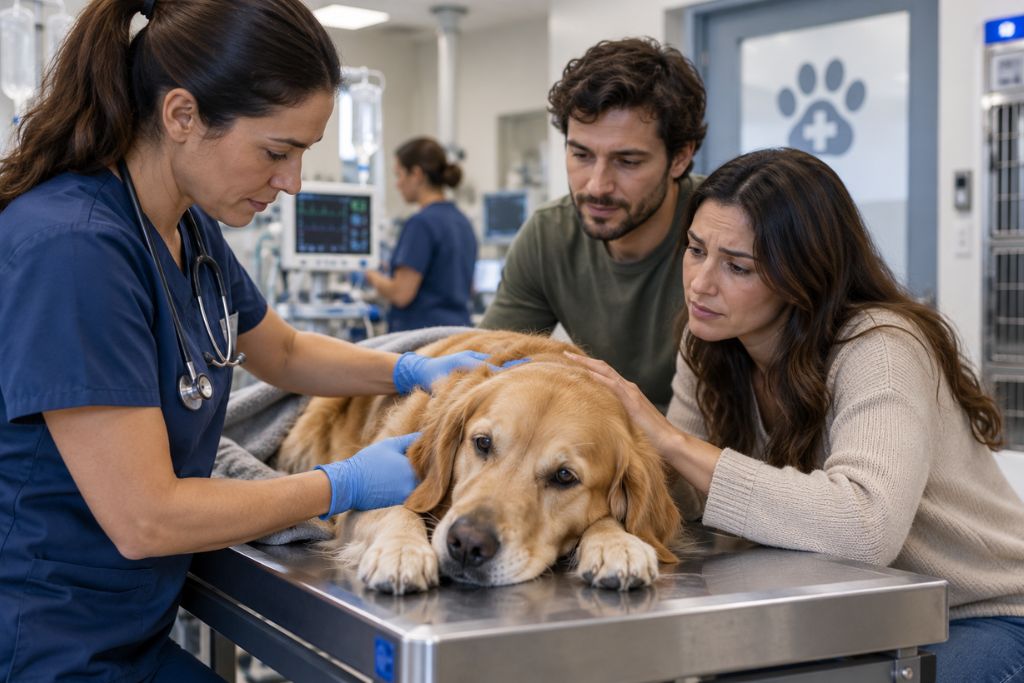
When your pet faces a tricky health issue, reaching out to a board-certified veterinary specialist can truly make a positive difference in their diagnosis and recovery. That’s a given.
But the insurer might reduce reimbursement for certain specialized procedures, sometimes in ways that weren’t fully clear when you first signed up.
To help you make the most of your policy without any surprises, check out our guide below to better understand your coverage and ensure your beloved companion gets the best care possible.
What is a veterinary specialist?
A veterinary specialist is a licensed veterinarian who has completed advanced training in a specific medical discipline and holds board certification through a recognized specialty organization.
| General Veterinarian | Veterinary Specialist |
|---|---|
| Routine care | Advanced diagnosis and treatment |
| Preventive medicine | Complex medical conditions |
| Initial diagnosis | Specialized procedures |
| Refers complex cases | Performs advanced treatments |
When does your pet need a veterinary specialist?
Oncology
Veterinary oncologists are experts who diagnose and treat cancer in our beloved pets. Insurance companies sometimes look back at older medical records to see if a diagnosis might be considered a pre-existing condition.
Neurology
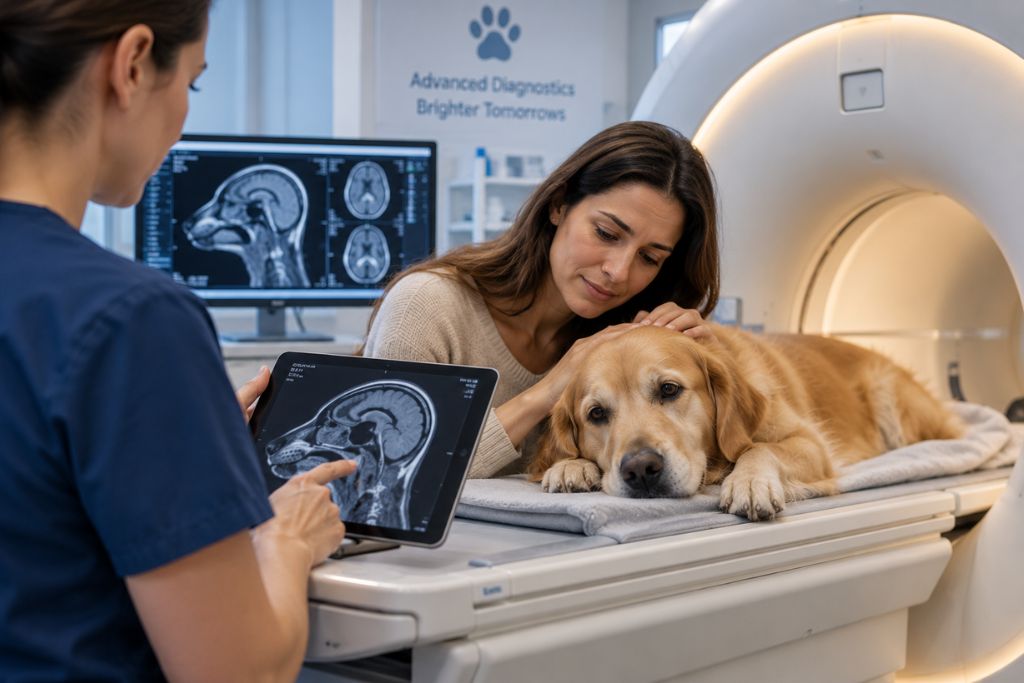
Neurologists specialize in conditions affecting the brain, spinal cord, and nervous system. They rely heavily on diagnostic imaging such as MRI and CT scans. Sometimes, insurance providers question whether these tests are truly necessary, even if ordered by a specialist as the best next step in diagnosis.
Cardiology
Cardiology specialists focus on diagnosing and managing heart-related issues using tools like echocardiograms and electrocardiograms. Sometimes, claims for these tests can be delayed or denied if the insurer asks for more documentation to justify their medical necessity.
Internal Medicine
Internal medicine doctors manage complex, systemic health issues, including those related to the gastrointestinal system, endocrine system, or immune system. Chronic illnesses can often be flagged as pre-existing conditions, especially if the records show earlier symptoms.
Surgery
Even if the surgery is approved, the fees charged by the surgeon and the operating facility might be reimbursed at a lower rate than billed, often due to internal limits set by the insurer that they don’t always clearly explain upfront.
Diagnostic Imaging
These tests are common areas of dispute; sometimes, insurance companies review them for medical necessity and might partially pay or fully deny the costs, even when the specialist ordered the tests following standard protocols.
Dermatology
Since these treatments can be long-term, insurers often scrutinize whether the underlying condition was present before coverage started.
Ophthalmology
Veterinary ophthalmologists diagnose and treat eye diseases and perform specialized eye surgeries. Disputes here often revolve around whether a condition is hereditary or acquired, as this can affect coverage depending on the specific plan’s exclusions.
Behavior
Since coverage for behavior therapy can be limited in many policies, it’s helpful to review your plan details before assuming a visit to a behavioral specialist will be reimbursed.
Dentistry
Dental coverage varies quite a bit between plans, and many policies don’t cover procedures unless they’re related to an accident or an illness beyond routine dental care.
Does pet insurance cover veterinary specialists?
Most accident and illness pet insurance policies generally cover veterinary specialist care when it’s medically necessary and supported by a referral from your primary veterinarian. Coverage often includes specialist consultations, advanced diagnostics, surgery, hospitalization, and follow-up care for covered conditions.
Pet insurance companies in Florida may apply these benefits differently depending on the policy terms, the documentation submitted, and their evaluation of the claim. Even when specialist care is generally covered, reimbursement may vary based on medical necessity, eligible expenses, and the policy’s specific provisions.
What specialist services are commonly covered?
Most standard accident and illness plans include the following when they meet the policy’s eligibility criteria:
- The initial referral visit and follow-up appointments tied to the same condition
- Advanced imaging such as MRI, CT scans, and ultrasound
- Specialist surgery, from the procedure itself to facility fees
- Oncology treatments including chemotherapy and radiation, in plans that don’t exclude cancer-specific care
- Cardiology and neurology procedures, when properly referred and tied to a new diagnosis
- Hospitalization and ICU stays associated with specialist care
- Prescription medications directly tied to a covered specialist diagnosis
How specialist reimbursement usually works
Specialist care often costs more than general veterinary services, making it important to understand how reimbursement is calculated. Most accident and illness policies reimburse a percentage of eligible expenses after your deductible has been met.
Your final payment may also be affected by annual policy limits and the insurer’s claim review process, which evaluates your veterinary records, invoices, and policy terms before determining how much of the treatment qualifies for reimbursement.
For example, if your plan reimburses 80%, has a $250 deductible, and your specialist invoice totals $4,000, you may receive 80% of the remaining eligible expenses after the deductible, provided the claim meets all policy requirements.

Understanding eligible expenses
Not every charge included on a specialist invoice is automatically considered an eligible expense. Insurers review each billed item against the policy terms, meaning administrative fees, certain supplies, non-covered services, or other excluded charges may be removed before reimbursement is calculated.
How specialist fees are evaluated
Some insurers calculate reimbursement using Usual, Customary and Reasonable (UCR) fees, which are internal reimbursement limits based on what the insurer considers a reasonable charge for a particular service in a geographic area.
If your specialist charges more than the insurer’s UCR amount, reimbursement may be calculated using the lower internal limit rather than the actual invoice, potentially resulting in an underpaid claim.
In this system, if a board-certified surgeon charges $3,500 for a procedure but the insurer’s UCR cap is $2,500, the insurer will reimburse only up to the lower amount, regardless of the actual charge. This can lead to pet insurance claims that might seem like a policy issue but are actually part of how some plans are designed.
Common reasons specialist reimbursements are reduced

Why specialist claims get denied or underpaid
Specialist claims are often approved, but disputes can arise when the insurer interprets the policy or supporting records differently. These are some of the most common reasons claims are denied or reimbursed for less than expected:
- Pre-existing condition: The insurer determines the specialist’s diagnosis is related to a condition that existed before coverage began.
- Medical necessity questioned: Specialized treatment or procedures are considered unnecessary based on the insurer’s review.
- Referral requirements: The policy requires a referral from your primary veterinarian, but the documentation is missing or incomplete.
- Diagnostics denied: MRI, CT scans, or other advanced diagnostic tests are rejected because they are not considered medically necessary or covered.
- Specialist fees reduced: Reimbursement is calculated using internal fee limits or policy provisions rather than the amount billed.
- Hospitalization partially reimbursed: Additional hospital or ICU days may be excluded or only partially covered under the policy.
When does a specialist claim become a legal issue?
It’s a good idea to consider a review by pet insurance attorneys in Florida if you notice that the coverage described in your policy doesn’t quite match what you’ve actually paid, or if specialist studies were left out without a clear reason from the medical records.
Also, if fees seem to have been reduced in ways not clearly supported by the policy, or if exclusions are applied inconsistently compared to the documentation.
What to do if your specialist claim is denied
Review the declarations page and amendments of your policy to pinpoint the specific language the insurer cited and determine if it applies to your claim.
- Request a written explanation citing the exact policy provision used by the insurer and how it relates to your pet’s case.
- Collect referral letters, treatment notes, and imaging reports to create a comprehensive timeline.
- If necessary, file a formal appeal along with supporting documents that specifically address each reason for the denial.
- If the appeal is unsuccessful, contact us today for a legal review of the insurer’s decision regarding your policy and Florida insurance laws.
How Your Pet Attorneys can help
The firm is here to support you if your pet’s insurance claim experiences delays beyond the insurer’s legal deadlines, if policy exclusions seem to be applied incorrectly based on the medical records, or if the reimbursement amount doesn’t match what the plan promises.
Remember, a specialist’s recommendation shouldn’t be the end of the road if your claim is underpaid.
If your pet insurance company has denied, delayed, or paid less than expected for specialist care, Your Pet Attorneys are ready to review your policy, assess the insurer’s decision, and guide you through your legal options. Feel free to request your free claim review today.
Think Your Specialist Claim Was Underpaid?
Our attorneys can review your policy, specialist records, and the insurer’s explanation to help determine whether your claim was handled fairly.