Florida animal law may define pre-existing conditions in specific ways, but not every diagnosis automatically disqualifies your dog from future coverage.
The outcome often depends on how insurers interpret details buried in policy language and timing. Actually, veterinary documentation can matter far more than the label attached to a condition.
Today you’ll understand how these rules work in practice and where real coverage opportunities may still exist. Let’s dive right in.
What Counts as a Pre-Existing Condition in Pet Insurance?
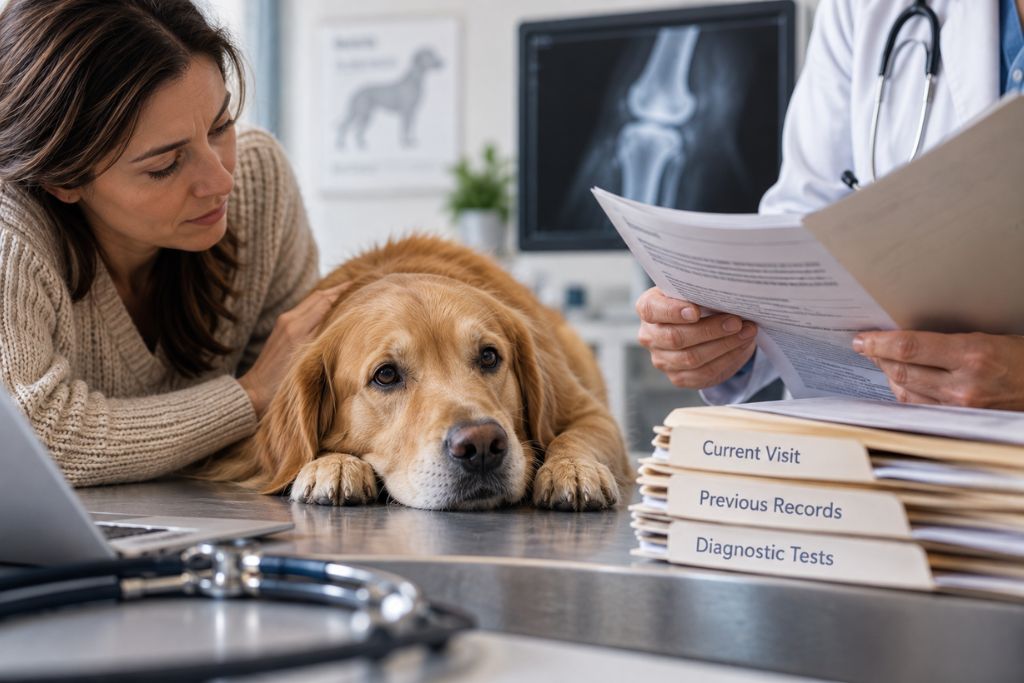
A pre-existing condition is an illness that occurred or showed symptoms before the policy’s effective date or during a waiting period. Coverage companies rely heavily on veterinary records to see if illness, injury, or clinical signs occurred before the policy’s effective date. This often by reviewing notes, test results, and treatment timelines rather than formal diagnoses alone.
But a condition does not become pre-existing simply because it is chronic or common. What matters most is the timing of symptoms and medical documentation, and insurers must apply their policy definitions consistently with preexisting conditions according to HB-655 law:
- Veterinary records showing symptoms before coverage began.
- Treatments or medications prescribed during waiting periods.
- Notes indicating ongoing or unresolved conditions.
- Diagnostic testing completed prior to policy activation.
Pre-existing conditions are determined by what appears in the medical record and when it appears. If treatment is not documented before, the basis for calling a condition pre-existing weakens.
This is where many denials fall apart, because the timeline does not support the classification.
Can You Get Pet Insurance If Your Dog Has a Pre-Existing Condition?
Many insurers still allow enrollment when a dog has a known medical issue, but coverage is usually carved back to exclude that condition and anything medically connected to it.
What remains eligible are new illnesses or injuries that appear after the policy takes effect, particularly accidents, emergency care, or conditions affecting unrelated body systems, depending on how the policy defines scope and causation.
And, that distinction gives a look into what coverage realistically looks like.
Exclusions may be applied narrowly or expanded based on how disclosures are written, premiums may reflect overall risk rather than the condition alone, and waiting periods often control when unrelated coverage becomes active.
Knowing this helps you evaluate whether a policy still provides real value and when it may be worth speaking with a Florida pet insurance attorney before enrolling.
Waiting Periods and Veterinary Records Explained
Veterinary records become central during this phase, and if symptoms appear or are documented during a waiting period, the company may later classify them as pre-existing, even if the formal diagnosis comes later:
- Short waiting periods for accidents.
- Longer waiting periods for illnesses.
- Extended waiting periods for orthopedic conditions.
- Retroactive reviews of records when a claim is filed.
Errors often occur when insurers rely on vague notes or unrelated symptoms to justify exclusions.
Renewals and Previously Covered Conditions
Reclassifying a condition after it has already been reimbursed raises red flags, especially if the policy does not clearly allow midstream changes or the insurer failed to provide advance notice. In those cases, the issue is about whether the insurer is altering the deal after the fact:
- Whether coverage terms materially changed at renewal.
- If new exclusions were introduced or expanded without clear, written disclosure.
- Whether the condition in question was previously approved and reimbursed, which can indicate that the insurer had already accepted it as covered under the policy.
- How the policy distinguishes renewal from new enrollment.
Renewal disputes typically center on contract interpretation and disclosure practices, not medical evidence alone.
When a Pre-Existing Condition Denial Can Be Challenged
Not all denied pet insurance claims based on a pre-existing condition are legally sound and certain patterns signal that a denial deserves closer scrutiny, especially when disclosures or documentation are inconsistent:
- The policy definition was applied too broadly.
- Medical records do not support the insurer’s timeline.
- Disclosures failed to explain how conditions are classified.
- A previously covered condition was later excluded.

Florida Statutes Section 627.71545 requires clarity and transparency. When insurers fail to meet those standards, policyholders may have grounds to dispute the decision.
How The Gross Group Helps With Pre-Existing Condition Denials
When a claim is denied as pre-existing, most owners are left with technical explanations and little guidance on next steps. From this, Florida insurance lawyers focus on reviewing these denials through the state’s law.
Their approach involves evaluating whether the insurer followed statutory obligations, applied definitions correctly, and relied on accurate medical timelines by:
- Reviewing policy terms and veterinary records together.
- Identifying disclosure failures or misapplied exclusions.
- Communicating with the company managing the policy.
- Advising whether the denial can be disputed or appealed.
The Gross Group, Your Pet Attorneys offers focused reviews of pet insurance denials to determine whether the insurer followed Florida law, applied policy terms correctly, and relied on accurate medical timelines. A clear legal review can help you understand your options, contact them to assess whether a challenge is possible.
Frequently Asked Questions (FAQs)
Are pre-existing condition denials always valid?
No. Some denials rely on broad interpretations or insufficient medical evidence and may be challenged.
Do waiting periods affect pre-existing condition determinations?
Yes. Symptoms documented during waiting periods are often used to classify conditions as pre-existing.
Can an insurer exclude a condition that was previously covered?
Generally no, unless the policy allows changes at renewal and proper notice is given.