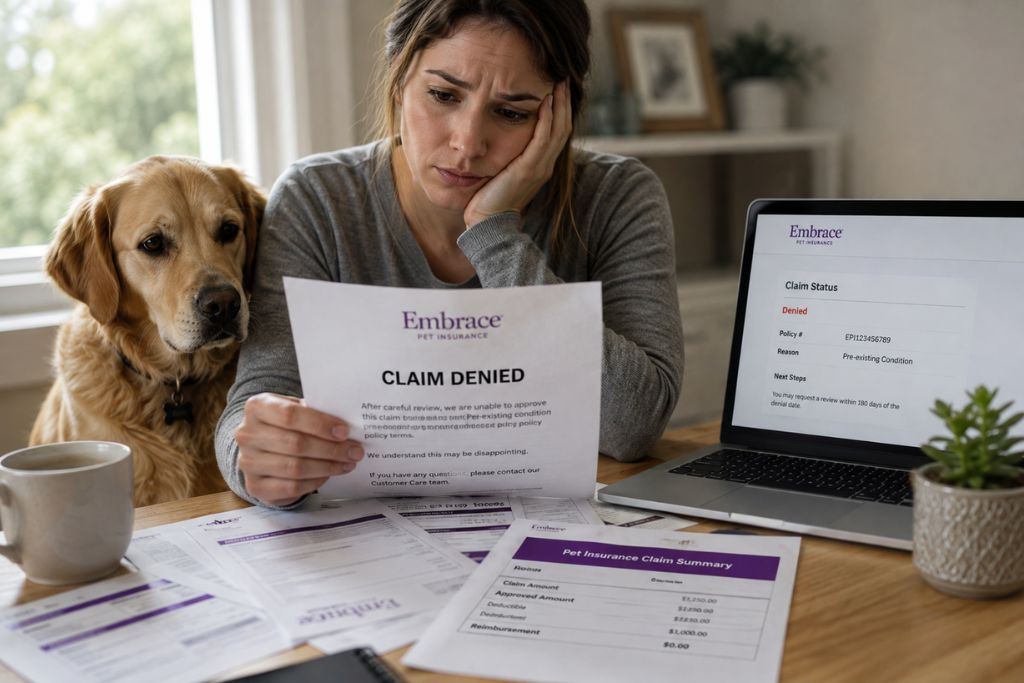
When an insurer denies your claim or pays out less than expected, the instinct is often to accept it and move on. Many pet owners assume that if a company says no, that’s the end of it; but that assumption overlooks something important.
Pet insurance laws in Florida form an overlapping set of statutes that govern how insurers must handle your claim, communicate with you, and honor the terms of your policy. A denial is a decision made within a specific legal framework, and it gives you more leverage than most policyholders realize. Let’s dive in.
Not just one law: a legal framework that protects you
Most people treat their pet insurance policy as the only document that matters in a claim dispute.
The contract is important, yes, but it sits within state statutes that impose additional obligations on every insurer operating in Florida. These laws regulate everything from how quickly a company must respond to your claim to what constitutes an unfair denial.
A single denied claim might involve a breach of contract, a violation of good faith obligations, and a failure to meet state timelines, all at once. Each of those issues is addressed by a different law, and each opens a different avenue for challenging what happened.
Pet insurance in Florida doesn’t operate outside the state’s regulatory structure; it falls under the same statutory framework that governs all insurance products sold here, with specific additions that apply to animal coverage in particular.
The Florida Insurance Code (Chapters 624–632) is the broader legal foundation within which all of those obligations sit; knowing that it exists helps you see your policy as something more than a private agreement between you and your insurer.
Key laws that shape pet insurance claims in Florida
Florida doesn’t rely on a single statute to regulate how insurers handle animal insurance claims. Several legal sources work together to define what a company can and cannot do once you submit a claim.
Insurance contract obligations
Under Florida contract law, ambiguous language is generally interpreted in favor of the policyholder; so vague exclusions don’t automatically justify a denial.
Florida Statute § 624.155 (bad faith)
Florida Statute § 624.155 requires insurers to act in good faith when handling claims. If a company misrepresents your policy’s terms, you may have grounds for a bad faith action
Florida Statute § 626.9541 (unfair practices)
Florida Statute § 626.9541 prohibits insurers from engaging in deceptive or unfair trade practices in claims handling. This includes pressuring policyholders to accept settlements below what they are owed.
Florida Statute § 627.70131 (claims handling)
Under Florida Statute § 627.70131, insurers must acknowledge a claim within 14 days of submission and pay or deny it, with a written explanation, within 90 days. Delays beyond those windows may indicate a statutory violation.
Florida Pet Insurance Act (HB 655)
The Florida Pet Insurance Act, updated through House Bill 655 and effective January 1, 2026, requires insurers to disclose exclusions more transparently, clarify how pre-existing conditions are defined, and explain reimbursement calculations upfront.
It’s worth noting that Senate Bill 158, a measure that would have expanded certain protections for pet owners, was not approved. That means some aspects of the insurer-policyholder relationship remain without specific legislative coverage; and in those areas, the value of professional legal guidance becomes more relevant.
How these laws apply to real claim situations
Consider a situation where your pet undergoes emergency surgery and the insurer denies the claim by categorizing the condition as pre-existing, despite no prior diagnosis in the veterinary record.
That outcome may simultaneously raise a contract dispute, a bad faith concern under § 624.155, and a potential unfair practices issue under § 626.9541 for misrepresentation of policy terms.
When an insurer approves only a fraction of an eligible expense by applying a reimbursement formula that wasn’t clearly disclosed, that opacity is exactly what House Bill 655 (Florida Pet Insurance Act update) aims to address in policies issued after its effective date.
Delayed claims follow a different path. When a response doesn’t arrive within the timeframes set by § 627.70131, that delay itself may constitute a violation independent of whatever coverage decision eventually follows.
Signs your insurance company may not be following the law
Not every problem with a claim rises to the level of a legal violation, but some patterns are worth taking seriously. If you’re navigating a dispute with one of the pet insurance companies in Florida and recognize any of the following, a professional review of your case may be in order:
- Denial letters that cite vague policy language without explaining how it applies to your specific situation
- Repeated requests for documentation you’ve already submitted, or demands for records that don’t appear relevant
- Responses that arrive outside statutory windows, with no explanation for the delay
- Reimbursement amounts with no breakdown showing how the payment was calculated
Did you know what your rights are under Florida law?
Under Florida law, you have the right to dispute a denial, request a written explanation, and challenge the insurer’s reasoning through a formal appeals process or legal action. If you’re unsure whether your situation warrants a closer look, talk to a pet insurance attorney to understand your options before deciding how to proceed.
Insurers must act in good faith. Florida Statute § 624.155 creates a legal obligation, not just an ethical expectation.
Quick overview: laws that protect pet insurance policyholders in Florida
The table below summarizes the legal protections covered in this article and what each one means for your situation as a policyholder.
If you’re working through a disputed pet insurance claim in Florida and want to understand which of these laws may apply, Florida insurance attorneys with experience in coverage disputes can help you map out the options.
| Legal Area | Applicable Law | What It Does | Why It Matters |
|---|---|---|---|
| Contract Law | Florida Contract Law (Common Law) | Defines coverage and obligations in your policy | You can challenge breaches of contract |
| Bad Faith | Florida Statute § 624.155 | Allows legal action against insurers acting unfairly | Enables claims for improper denials or conduct |
| Unfair Practices | Florida Statute § 626.9541 | Prohibits deceptive or unfair claim handling | Protects you from abusive insurance practices |
| Claims Handling | Florida Statute § 627.70131 | Sets timelines and response obligations | Delays may indicate a violation |
| Pet Insurance Regulation | HB 655 (2025) – Effective Jan 1, 2026 | Requires transparency in exclusions, reimbursements, and policy terms | Reduces ambiguity and improves consumer protection |
How Pet Insurance Laws in Florida May Affect Your Claim
A denial from your insurer can feel like a closed case, but the legal protections in place for Florida policyholders tell a different story. Several statutes govern how your claim should be handled, and each one represents a potential avenue for review if something went wrong in the process.
Pet insurance laws in Florida exist to make sure that coverage companies follow through on what they promised. Knowing that a denied or underpaid claim can be revisited under them puts you in a better position to decide what to do next; and the options are real enough to be worth understanding before you walk away.